EN
EN 


Across Ireland’s varied regions, where rural landscapes meet growing urban centres, the provision of affordable social housing for low-income families remains a critical public priority. Responding to this need requires housing solutions that balance speed of delivery, cost control, and long-term performance. Karmod contributes to this objective through its expertise in modular and prefab homes, offering construction models that support housing affordability while aligning with Ireland’s environmental and social ambitions.
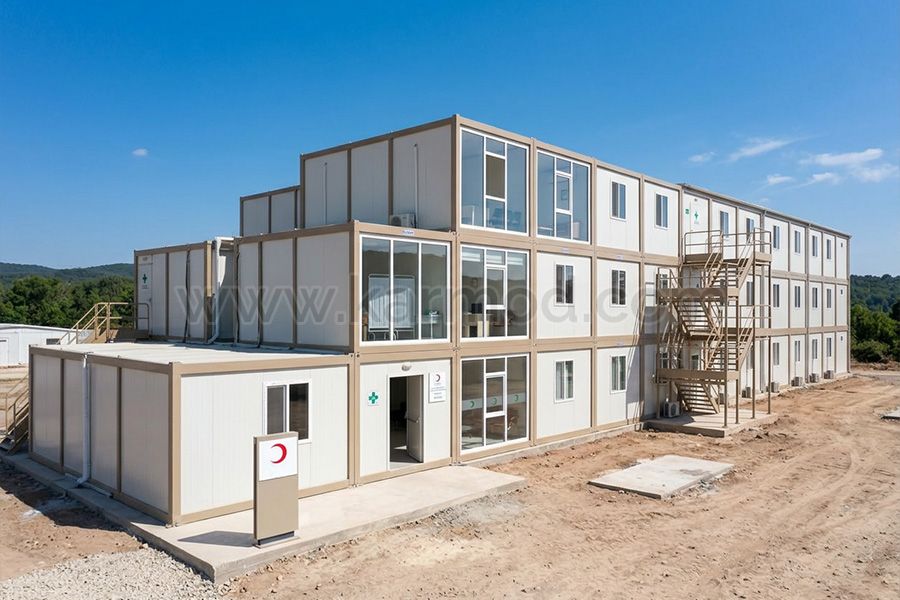
At the core of this approach are modular homes, manufactured as complete structural sections in factory-controlled conditions and assembled on-site. This method reduces build times and limits on-site disruption, an important consideration for both urban infill projects and regional developments. Modular housing also supports consistent build quality and improved energy performance, making it well suited to Ireland’s climate and long-term sustainability goals.
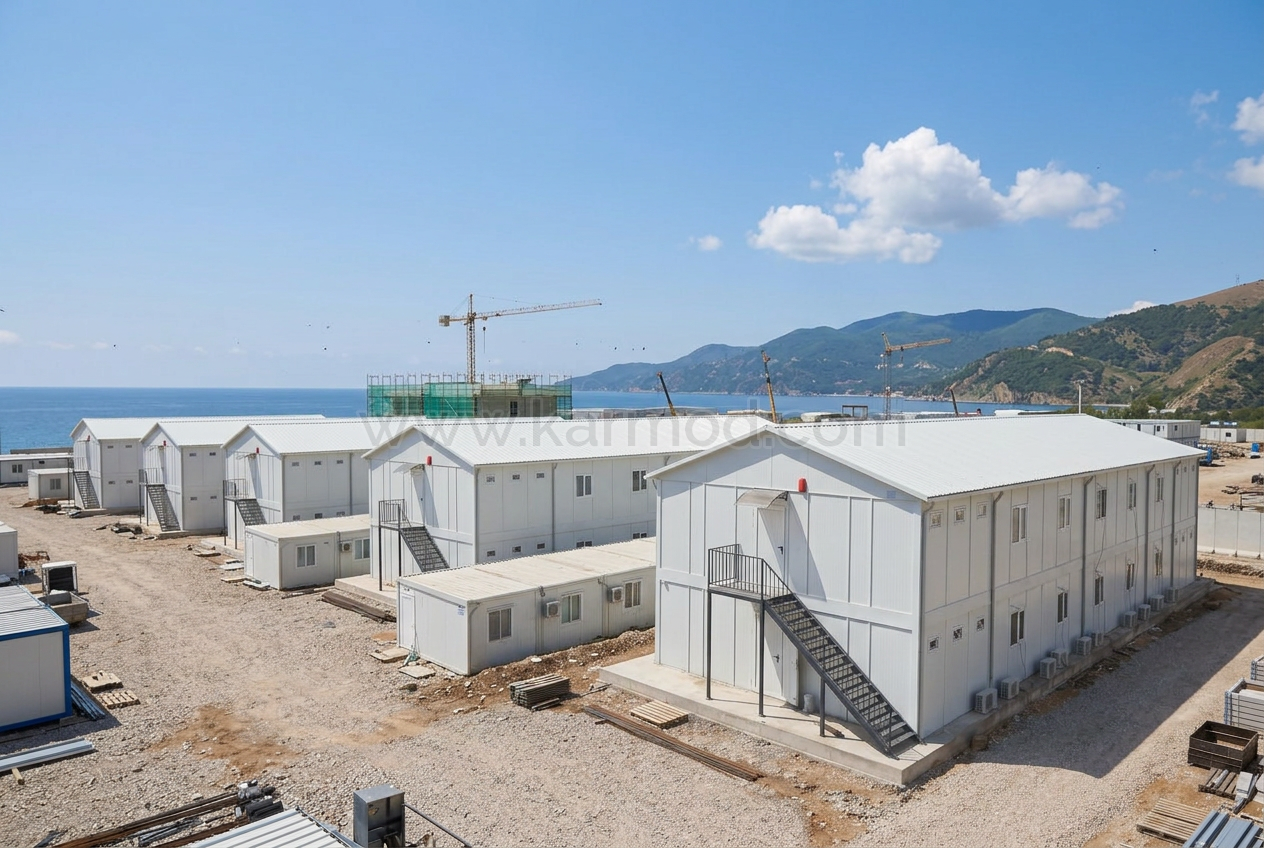
Prefab homes add another dimension to affordable housing delivery by allowing entire housing units to be completed off-site before installation. This process helps stabilise construction schedules and budgets while ensuring uniform finishing standards. For social housing providers, prefab construction offers a reliable pathway to delivering durable, comfortable homes that remain accessible to low-income households.
Karmod’s role in Ireland extends beyond physical construction. Modular and prefab housing systems enable the creation of coherent residential environments where affordability, functionality, and community planning are considered together. By supporting scalable housing delivery, these methods contribute to the long-term resilience of Irish communities and help translate housing policy objectives into practical outcomes.


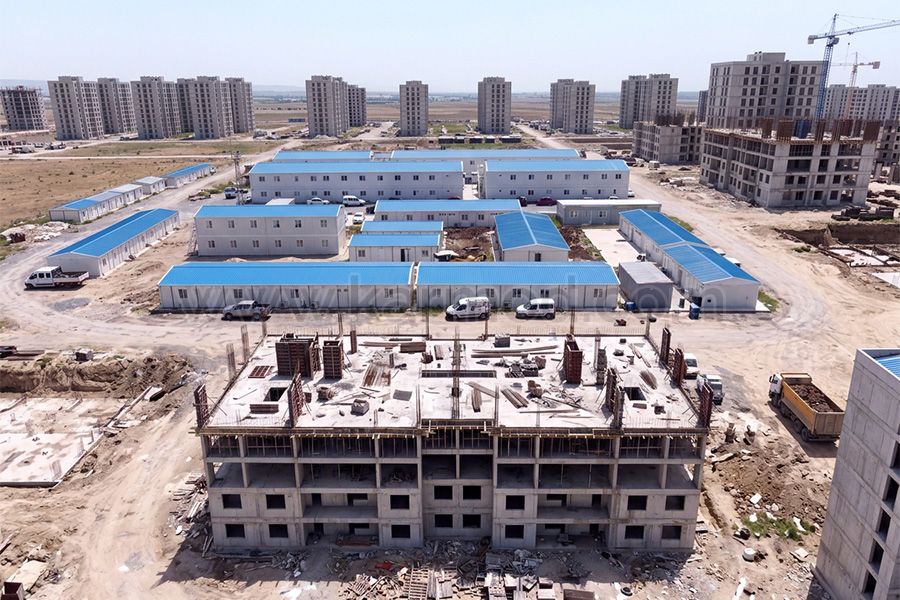
Ireland faces sustained pressure to expand its social housing stock, particularly for households affected by rising living costs. Modular social housing provides a structured response by reducing delivery timelines and improving predictability across housing programmes. Low-rise modular construction can be adapted to diverse sites, supporting both rural and suburban development strategies.
Affordable housing delivery plays a broader role in social and economic stability. Well-planned low-income housing supports workforce retention, local services, and regional development. Mobile and modular housing solutions are increasingly considered for their ability to respond flexibly to changing demand while maintaining cost discipline.
Social housing projects designed for low-income households benefit from modular construction through shorter build periods and reduced resource use. This approach allows housing authorities and delivery partners to increase capacity without compromising quality or safety.
Addressing Ireland’s housing challenges requires coordinated strategies that combine affordability, sustainability, and efficient delivery. Modular construction supports this balance by enabling scalable housing development while protecting long-term value for residents and communities.


Prefab housing plays an important role in Ireland’s efforts to expand low-income housing supply. By shifting construction into controlled environments, prefab projects reduce exposure to delays and cost overruns while supporting consistent build quality.
These housing projects use modern materials and manufacturing techniques to accelerate delivery and improve performance standards. For low-income families, prefab housing offers secure, well-built homes delivered within more predictable timeframes.
Expanding prefab low-income housing supports Ireland’s goal of delivering stable, affordable homes at scale. When integrated into broader housing strategies, these projects strengthen social inclusion and long-term housing security.
Modular housing construction offers Ireland a practical pathway to increase affordable housing supply without sacrificing build quality. By combining speed, cost control, and adaptability, modular systems support housing programmes aimed at low-income households.
The advantages of modular housing construction include:


Ireland’s social housing needs span both short-term accommodation and long-term residency. Effective housing strategies must address emergency demand while supporting permanent, stable living arrangements for low-income households.
Key approaches include:
By prioritising affordability, quality, and delivery speed, Ireland continues to strengthen its response to housing demand. Modular construction provides a flexible foundation for sustainable social housing growth.
Mobile affordable housing represents a complementary tool in Ireland’s housing strategy. Karmod supports this segment by delivering mobile housing solutions that address urgent accommodation needs while remaining cost-effective and durable.
Karmod’s mobile housing solutions contribute to Ireland’s capacity to respond to housing pressure with adaptable, affordable options that complement permanent social housing programmes.
Temporary housing in Ireland requires solutions that can be delivered quickly while maintaining acceptable living standards. Modular and mobile housing systems provide a balanced response by combining speed, affordability, and flexibility.
By combining modular construction with mobile housing strategies, Ireland can respond more effectively to temporary housing needs while reinforcing long-term housing resilience and social stability.
In order to serve you better, if you could kindly send an e-mail to info@karmod.com for questions and details about your theoretical and special architectural plans, projects, and product specifications, your request will be responded to as soon as possible.

From one end of the world to the other, we enable our customers to reach the ready-made construction sector produced with the new technology of the world. We guarantee reliability through technology and innovation, flexible commercial models and smart supply chain solutions that add value for you, following the project production network.
Discover
Karmod is one of the largest prefabricated construction companies in Turkey, with a production of 45,000 m2. produces high quality prefabs and prefab containers