EN
EN 


In Canada, the pursuit of affordable social housing for low income families remains a national priority shaped by rapid urban growth, regional housing shortages, and rising construction costs. Innovative building systems such as modular and prefab homes are increasingly recognized as practical tools for expanding housing supply efficiently. At the forefront of this approach is Karmod, a manufacturer associated with quality-controlled production, sustainability, and cost-conscious housing development. By focusing on scalable construction models, Karmod contributes to expanding accessible housing solutions across Canada.
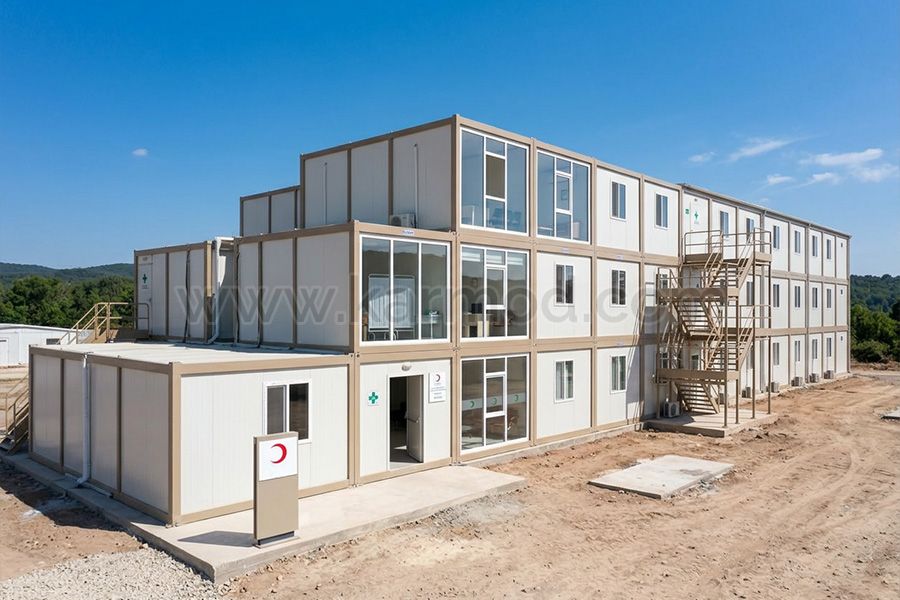
Modular and prefab homes provide a structured response to Canada’s housing affordability challenges. Built in sections within controlled factory environments, these homes are protected from weather-related delays common in harsh winters or remote regions. This process accelerates delivery timelines, improves material efficiency, and supports predictable budgeting for public housing projects. Once transported and assembled on-site, the result is durable, code-compliant housing designed for long-term occupancy.
Karmod’s housing approach reflects the principle that affordable social housing must combine financial accessibility with structural quality. Through modular and prefab construction, a range of housing typologies can be delivered, from single-family dwellings to multi-unit residential blocks suited for municipal or community-led developments. This flexibility allows projects to align with the diverse demographic and geographic needs found across Canadian provinces and territories.


Energy performance is central to the long-term viability of low-income housing. In a country where heating demands are significant, well-insulated building envelopes and efficient construction techniques contribute to reduced operating costs for residents. By integrating energy-conscious design principles, modular housing supports both affordability and environmental responsibility, reinforcing Canada’s broader sustainability objectives.
As Canada continues to refine its strategies for expanding affordable housing stock, modular homes stand out as a reliable delivery model. Beyond providing shelter, these structures form part of a wider framework for stable, community-oriented living. Through carefully developed low cost housing plans, Karmod balances cost efficiency with durability and architectural integrity. The result is housing that meets institutional expectations while remaining accessible to low income households.


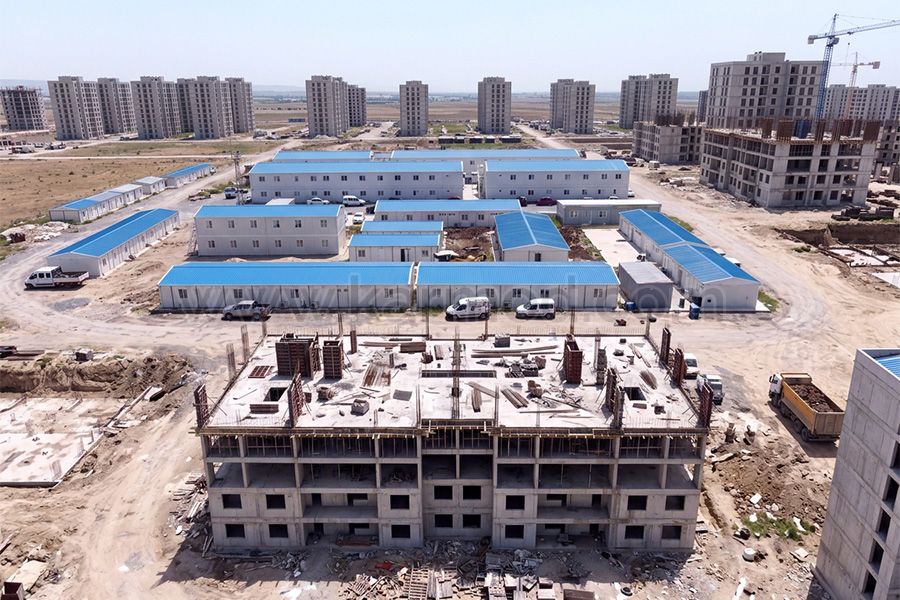
Canada’s commitment to affordable social housing increasingly relies on efficient construction methodologies capable of addressing supply gaps in both metropolitan and rural areas. Modular social housing offers a repeatable and scalable model that reduces build times while maintaining quality standards expected in public housing projects.
Embracing Efficiency and Sustainability: By manufacturing structural modules in factory settings, construction waste is minimized and quality control is strengthened. On-site assembly becomes faster and less disruptive, an important consideration in densely populated neighborhoods or climate-sensitive regions. This streamlined process supports housing affordability while contributing to environmental performance targets.
Tailored to Community Needs: Modular social housing can be configured to accommodate families, seniors, or individuals with accessibility requirements. Site planning may include shared outdoor areas and community facilities, supporting social cohesion alongside physical housing delivery. Such adaptability enhances long-term sustainability and community integration.


Prefab low income housing initiatives in Canada demonstrate how off-site construction can accelerate the development of affordable homes without compromising durability. By assembling pre-manufactured components on prepared foundations, project timelines are shortened and labor costs are better controlled.
Innovative Housing Solutions on the Rise: Across urban centers and smaller communities, prefab housing projects illustrate the versatility of system-built construction. Whether addressing rental housing shortages or supporting nonprofit housing providers, these developments contribute to expanding low-income housing availability in diverse settings.
Community-Centric Design: Prefabricated housing models increasingly incorporate communal spaces, pedestrian-friendly layouts, and integrated green areas. These design considerations strengthen neighborhood identity and foster inclusive living environments, moving beyond shelter provision toward holistic community development.
By advancing modular and prefab construction within social housing strategies, Canada reinforces its capacity to deliver efficient, scalable, and sustainable housing solutions. These methods support both immediate housing needs and long-term resilience within the public housing sector.
System-built modular construction plays a strategic role in expanding affordable housing for low income households across Canada. By standardizing key building components while allowing architectural flexibility, this approach ensures reliable quality and cost management.
Innovative Housing Solutions: The integration of modern manufacturing techniques improves structural consistency and reduces project delays. This efficiency is particularly valuable in remote or northern regions where traditional construction logistics can be complex.
Customization and Flexibility: Modular systems allow floor plans to be adapted to meet accessibility standards, family size requirements, or specific municipal planning guidelines. This flexibility strengthens delivery models for both nonprofit and publicly supported housing developments.
Sustainability and Efficiency: Energy-efficient materials and insulation strategies help lower long-term operating costs. Reduced energy consumption directly benefits residents while supporting Canada’s environmental ambitions.
Canada requires both temporary and permanent low cost social housing solutions to address fluctuating housing pressures, including migration patterns, economic shifts, and regional emergencies. Modular construction provides a versatile framework capable of serving both functions.
Rapid Response to Housing Needs: Factory-built modules can be deployed quickly for temporary accommodation, offering immediate support in situations requiring urgent housing provision. These structures maintain structural integrity and comfort while meeting accelerated timelines.
Long-term Social Housing Projects: For permanent developments, modular systems enable phased expansion. Housing complexes can grow in stages, aligning with funding cycles and demographic demand while ensuring consistent design standards.
Community-Centric Design: Incorporating shared amenities and thoughtfully designed common spaces strengthens social interaction and neighborhood stability. This integrated approach enhances the overall effectiveness of affordable social housing initiatives.
Canada’s adoption of modular housing construction for both temporary and permanent applications reflects a structured response to housing affordability challenges. By aligning speed, sustainability, and community integration, these solutions contribute to a resilient public housing ecosystem.
Karmod has positioned itself as a manufacturer focused on mobile and modular housing systems suited to Canada’s diverse geographic conditions. Its production model emphasizes durability, transportability, and adaptability, making it relevant for municipalities, housing authorities, and community organizations seeking flexible delivery options.
Designed to perform across varying climates—from coastal regions to colder inland areas—these mobile housing units combine structural reliability with energy-efficient detailing. This balance supports both housing affordability and long-term sustainability within the broader context of Canadian social housing development.
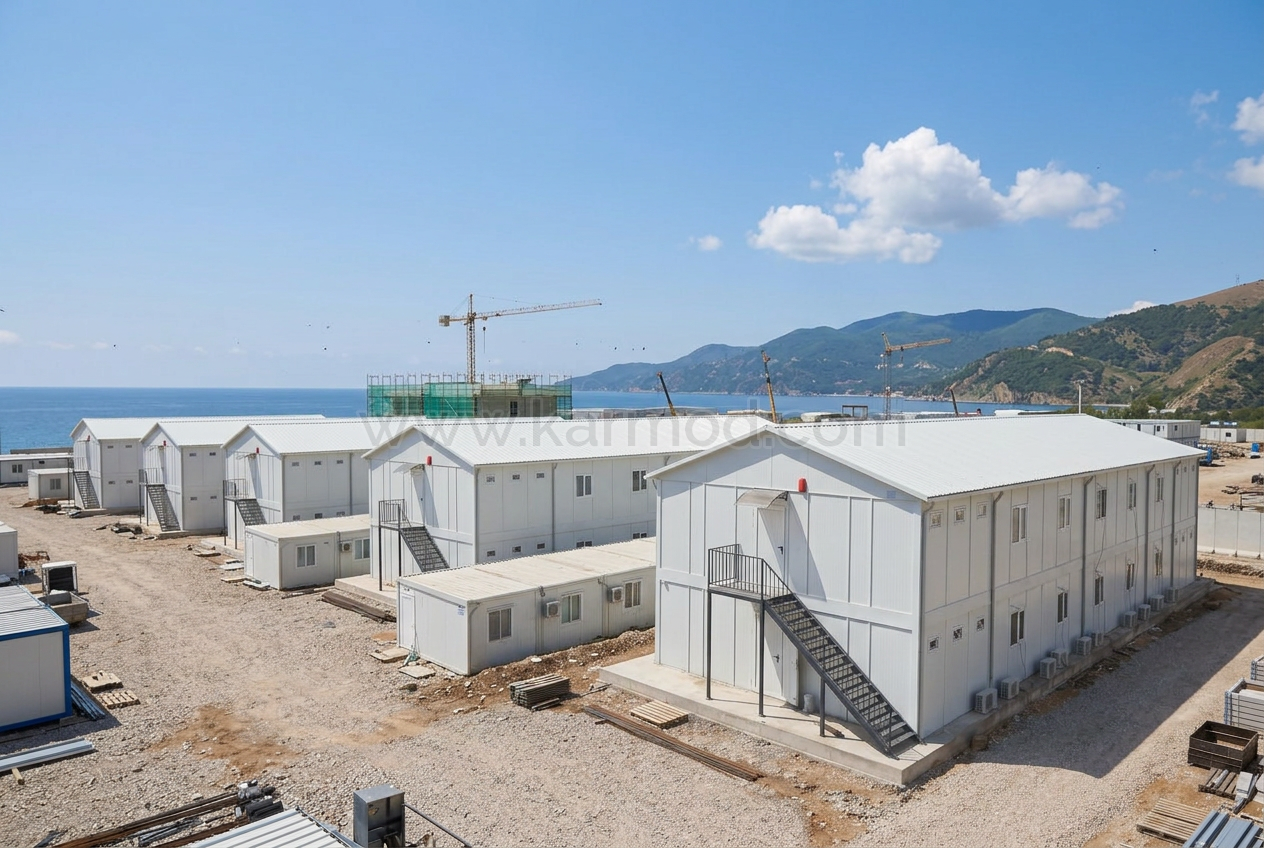
Providing temporary housing in Canada requires construction methods capable of rapid deployment without compromising quality. Modular housing construction remains one of the most effective approaches, enabling housing units to be manufactured concurrently with site preparation.
The factory-controlled process ensures consistent standards, reduces material waste, and shortens occupancy timelines. Once assembled on-site, these units can serve immediate accommodation needs while retaining the potential for long-term use.
Importantly, modular temporary housing can be relocated, expanded, or integrated into permanent developments. This adaptability maximizes public investment and supports evolving housing strategies across provinces and municipalities.
Through structured modular construction and the expertise of manufacturers like Karmod, Canada strengthens its capacity to address mobile affordable housing requirements efficiently. These approaches contribute to a stable, inclusive framework where affordable social housing remains attainable for communities nationwide.
In order to serve you better, if you could kindly send an e-mail to info@karmod.com for questions and details about your theoretical and special architectural plans, projects, and product specifications, your request will be responded to as soon as possible.

From one end of the world to the other, we enable our customers to reach the ready-made construction sector produced with the new technology of the world. We guarantee reliability through technology and innovation, flexible commercial models and smart supply chain solutions that add value for you, following the project production network.
Discover
Karmod is one of the largest prefabricated construction companies in Turkey, with a production of 45,000 m2. produces high quality prefabs and prefab containers