EN
EN 


Belgium’s pursuit of affordable social housing increasingly depends on delivery models that can expand supply without sacrificing quality, comfort, or long-term sustainability. For municipalities, public housing providers, and community partners, the priority is clear: homes that remain affordable to run, practical to maintain, and suitable for diverse household needs. Within this context, Karmod contributes to Belgium’s low-income housing efforts by applying modular and prefabricated construction methods that support faster delivery and cost discipline.
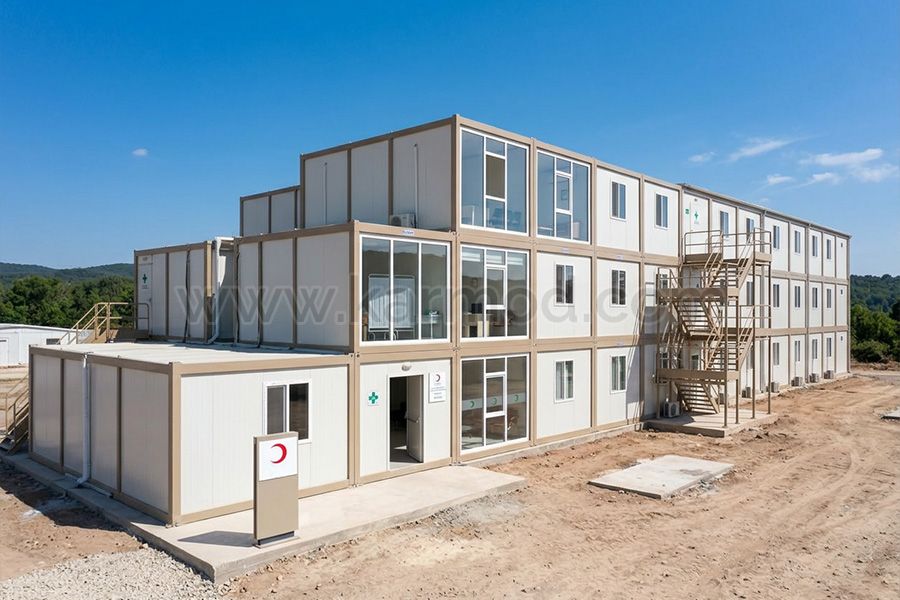
Karmod’s housing approach combines the efficiency of modular houses with the design adaptability of prefabricated systems. By shifting key construction stages into controlled production environments, projects can reduce material waste, improve build consistency, and keep budgets more predictable. For Belgium, where housing affordability is tied to both upfront delivery and ongoing operating costs, this model supports social housing objectives that prioritise accessibility and responsible resource use.
Modular homes are produced as coordinated sections off-site and assembled at their final location. This reduces exposure to weather delays and shortens overall construction timelines, which is especially relevant for public housing projects operating under fixed schedules. Faster completion can also ease temporary accommodation pressures by enabling earlier occupation. The result is a practical pathway for expanding low-income housing stock while maintaining robust construction standards.


Prefabricated homes add another advantage: configurable layouts that can be aligned with household size, accessibility requirements, and site constraints. This allows housing providers to deliver units that feel resident-focused without triggering the cost escalation often associated with bespoke construction. Because production is planned and repeatable, prefabricated housing can support consistent quality across multiple sites, strengthening long-term asset performance for social housing owners and operators.
Belgium’s interest in modular and prefabricated housing—supported by manufacturers such as Karmod—extends beyond output numbers. The objective is community integration: stable homes located and designed to support everyday life, access to services, and neighbourhood cohesion. When housing delivery is paired with durability, energy performance, and manageable maintenance, social housing becomes not only more attainable for low-income families, but more resilient for the institutions tasked with providing it.


Belgium’s social housing goals increasingly require construction methods that can deliver quickly, scale reliably, and stay within public-sector cost controls. Modular housing supports these needs by enabling repeatable delivery without lowering expectations for safety, comfort, or long-term value. Karmod’s role in this space reflects a broader shift toward delivery models that help public authorities respond to housing demand with clearer timelines and more predictable expenditure.
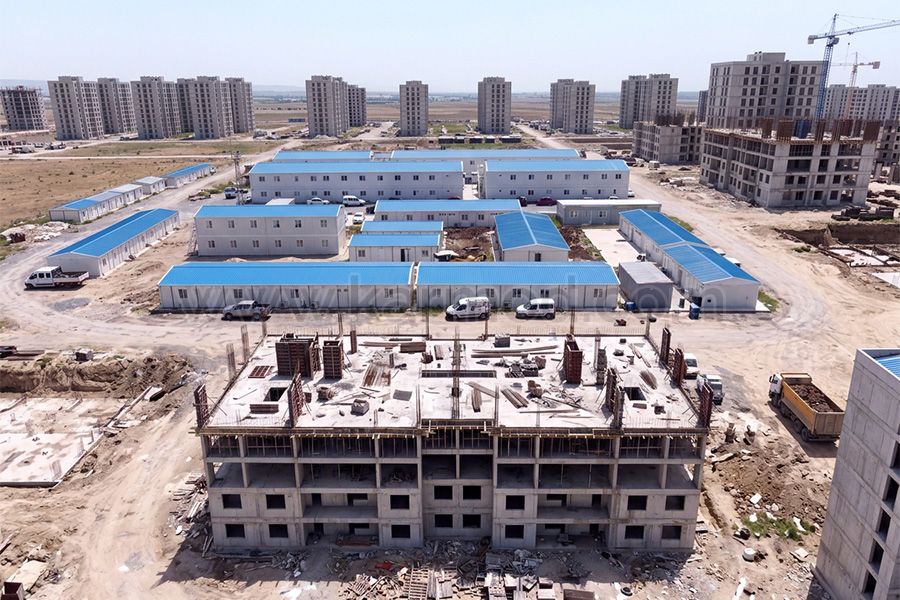
Modular housing in Belgium is typically produced in factory settings and assembled on prepared sites, reducing on-site disruption and enabling steadier quality oversight. This approach supports low cost housing plans by improving schedule certainty and limiting construction variability. For low income social housing, the benefit is not only faster availability, but also buildings designed for long-term use, maintenance planning, and stable community occupancy.


Belgium’s prefab low income housing initiatives complement modular construction by offering another route to faster delivery and adaptable design. These prefab homes can support both permanent residential development and phased housing programs where speed, site limitations, or temporary accommodation needs require flexible planning.
Karmod’s prefab housing solutions reflect low cost housing ideas focused on practical layouts, reliable materials, and efficient assembly. For housing providers and local authorities, prefab delivery can help standardise quality across projects while still allowing unit types to be adjusted for different household profiles. This supports affordability in two ways: it helps manage initial build costs and can reduce long-term operating costs through consistent build performance and easier maintenance.
Through coordinated planning and the use of industrialised construction, Belgium can expand affordable housing supply while improving delivery certainty. Modular and prefab approaches are not simply alternative construction techniques; they are tools for strengthening housing affordability, supporting community integration, and improving the long-term sustainability of public housing projects.
Belgium’s move toward affordable modular housing construction is reshaping how social housing can be delivered at pace while remaining resident-centred. By standardising key stages of production, modular construction helps reduce cost volatility and supports quality control—both crucial for projects funded or managed by public bodies.
The landscape of affordable housing in Belgium is being reshaped through the innovative use of modular housing construction. This method brings several key advantages to the forefront of social housing development:
Belgium is also strengthening its capacity to provide both temporary and permanent low cost social housing, recognising that housing needs vary across regions and over time. Modular and prefab systems can support emergency accommodation, transitional housing, and permanent developments—often within the same strategic framework.
By treating modular and prefab housing as part of a wider social housing system—rather than a standalone intervention—Belgium can improve delivery capacity while maintaining a focus on inclusion, community stability, and long-term sustainability.
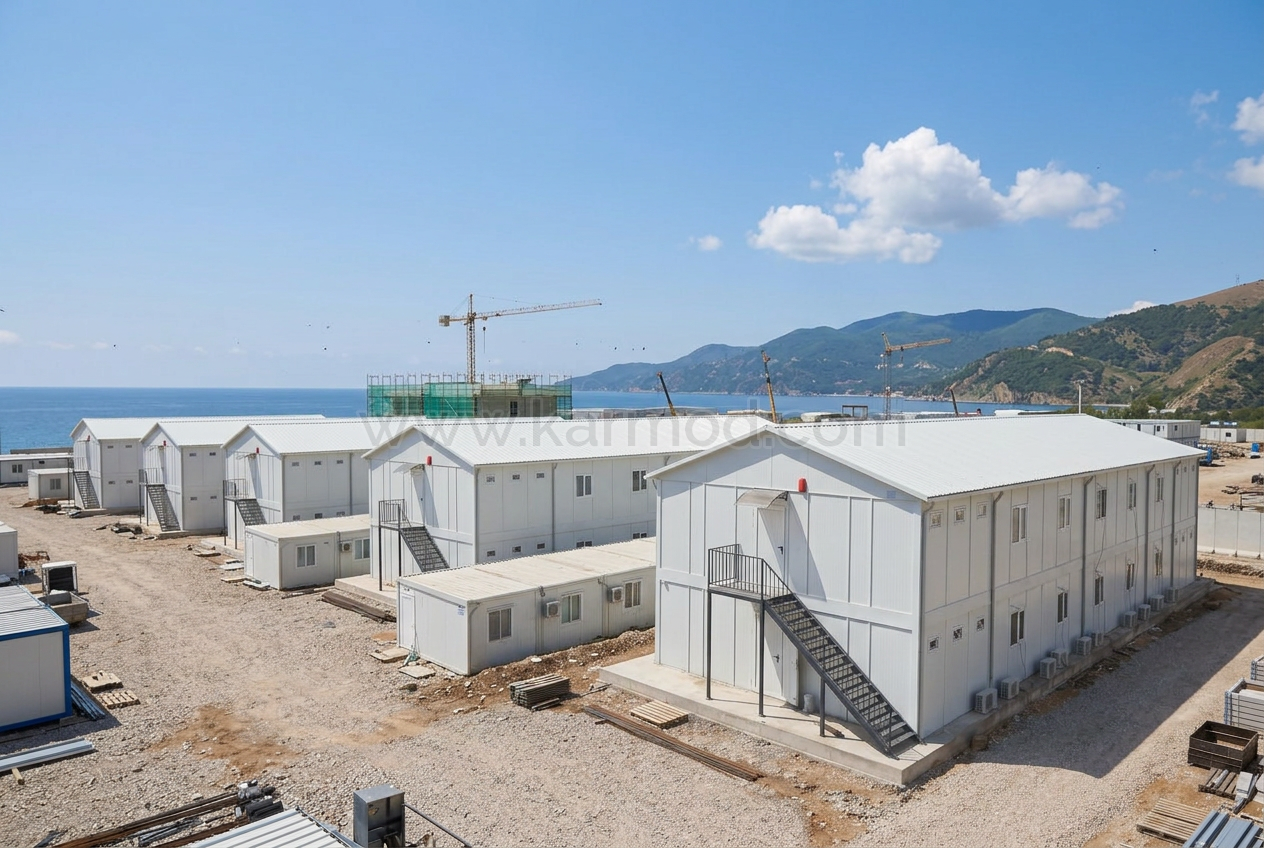
Karmod contributes to Belgium’s mobile affordable housing capacity by providing modular units designed for efficient delivery and practical use. For local authorities and housing organisations, these systems can support temporary accommodation programs as well as longer-term developments where phased construction or site constraints require adaptable solutions.
For temporary housing delivery in Belgium, modular construction remains one of the most effective methods due to speed, adaptability, and cost control. Whether responding to urgent accommodation needs or supporting transitional housing pathways, modular systems allow projects to be deployed quickly while maintaining acceptable living standards.
Belgium’s use of modular and mobile housing—alongside experienced manufacturers such as Karmod—supports a housing strategy focused on practical delivery, community integration, and long-term affordability. By aligning construction methods with social objectives, Belgium strengthens its ability to provide dignified housing solutions for low income households across both temporary and permanent needs.
In order to serve you better, if you could kindly send an e-mail to info@karmod.com for questions and details about your theoretical and special architectural plans, projects, and product specifications, your request will be responded to as soon as possible.

From one end of the world to the other, we enable our customers to reach the ready-made construction sector produced with the new technology of the world. We guarantee reliability through technology and innovation, flexible commercial models and smart supply chain solutions that add value for you, following the project production network.
Discover
Karmod is one of the largest prefabricated construction companies in Turkey, with a production of 45,000 m2. produces high quality prefabs and prefab containers