EN
EN 


At the center of Australia’s ongoing dialogue about housing affordability and sustainability, attention is turning to delivery models that can expand social and affordable housing supply without sacrificing quality. The priority is practical: provide safe, durable homes for low-income households while keeping construction timelines, operating costs, and long-term maintenance within realistic limits. Karmod is part of this shift, applying modular and prefabricated housing systems that can support public housing projects and community-led development across Australia.
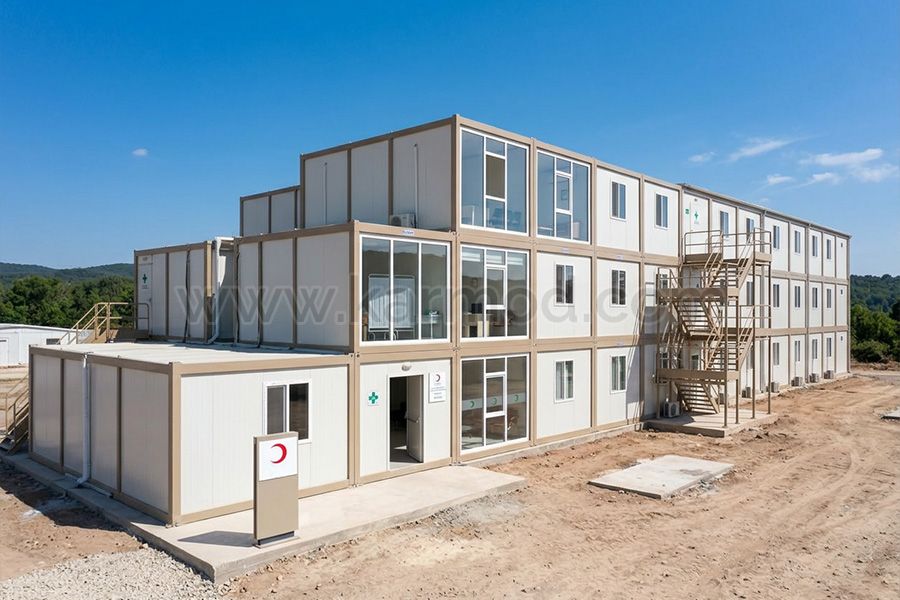
Modular homes offer a clear alternative to conventional construction when speed, cost control, and consistent build standards matter. Built partly in a factory environment and assembled on-site, modular housing shortens construction programs and reduces exposure to weather delays—particularly valuable in regions with seasonal extremes. These homes can also be configured to suit different household types and site constraints, helping housing providers align unit design with local planning expectations, accessibility needs, and community integration goals.
Prefab Homes provide another pathway for low-income affordable housing delivery in Australia. With homes manufactured in a controlled setting and shipped for installation, prefabrication can strengthen quality assurance and reduce material waste. The faster installation process can help housing authorities and non-profits bring homes into service sooner, supporting more responsive delivery of affordable social housing where demand is highest.


Karmod operates where innovation meets social purpose, using modular and prefabricated systems to respond to Australia’s affordability pressures. Across projects, the emphasis is on dependable construction, sensible lifecycle performance, and housing that remains comfortable and resilient. For institutions managing public housing stock, consistent build quality and predictable delivery are as important as upfront affordability.
As Australia continues to address the complexities of low-income social housing—across cities, regional centers, and remote communities—delivery capacity matters. Modular and prefabricated houses can support faster project rollout, reduce disruption on active sites, and enable repeatable design standards. In practice, this helps housing partners focus on community outcomes, including access to services, transport links, and long-term neighborhood stability.


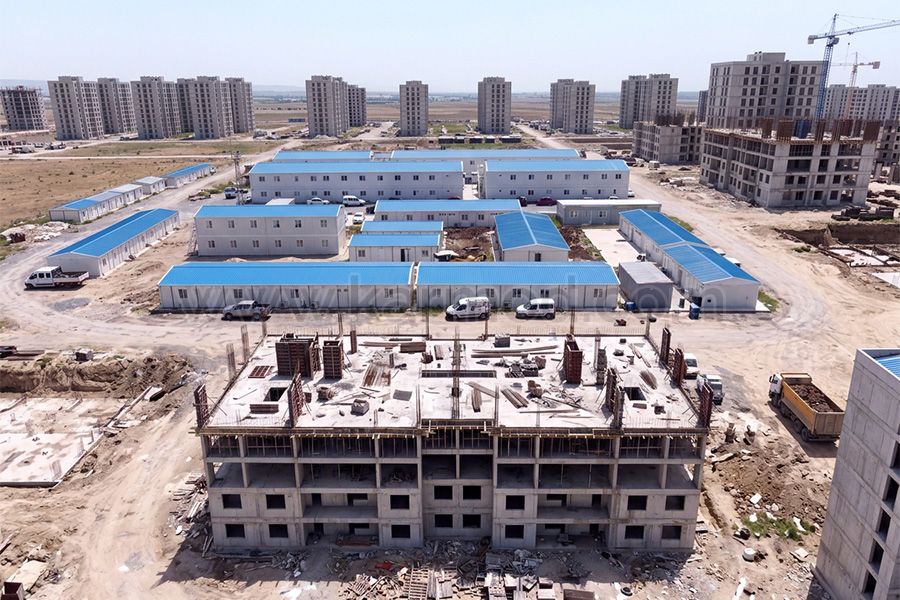
In the effort to improve housing affordability outcomes, modular social housing offers Australia a practical way to expand supply while keeping timelines and budgets under control. Modular housing construction supports faster delivery of units, consistent build standards, and a repeatable approach that suits multi-site programs managed by governments, community housing providers, and NGOs.
The foundation of building modular social housing in Australia rests on a few key principles:


Karmod contributes to this shift by providing modular delivery models that align with the requirements of low-income housing programs. With structured production and on-site efficiency, modular systems can support scalable public housing projects while keeping resident comfort, durability, and long-term sustainability in view. When paired with thoughtful planning, these homes can strengthen community integration rather than functioning as isolated developments.
Prefab low income housing is a key component within Australia’s broader strategy to increase the supply of affordable homes. By manufacturing entire homes or sections in a controlled environment, prefabrication reduces site time and helps manage costs—an advantage for developers, councils, and non-profit organizations working under strict budget and delivery constraints. Importantly, this approach can scale without weakening quality standards, which is critical for long-term social housing performance.
Key elements of Australia's prefab low income housing initiatives include:
As a provider in this space, Karmod supports prefab low income housing projects designed to meet institutional expectations around durability, safety, and cost control. By strengthening delivery models and standardizing quality, prefabrication can help expand housing supply where demand is acute. The objective is not only more homes, but homes that remain affordable to live in and straightforward to maintain.
Australia is adopting affordable modular housing construction as a practical response to constrained supply, rising delivery costs, and the need for resilient housing outcomes. Modular construction supports a disciplined project process, enabling housing providers to plan with greater certainty and deliver homes that perform consistently across different locations and climate zones.
Key Aspects of Modular Housing Construction:
The flexibility of modular construction supports both temporary and permanent low cost social housing solutions in Australia. This is particularly relevant where housing systems must respond to diverse needs, including emergency accommodation after natural events, transitional housing for households in crisis, and long-term housing for disadvantaged communities.
Strategies for Implementing Low Cost Social Housing:
The push for affordable modular housing construction and low cost social housing in Australia depends on combining efficient delivery with careful planning and responsible long-term management. Modular and mobile affordable housing can support scalable programs, but the strongest outcomes come when projects are integrated into broader community infrastructure and designed with lifecycle performance in mind.
Within Australia’s evolving housing landscape, Karmod operates as a mobile affordable housing manufacturer supporting flexible, fast-to-deploy solutions for low-income households and institutional programs. The focus is on delivery models that can respond to changing demand, varied geography, and different levels of infrastructure readiness—without lowering standards for safety, durability, or everyday comfort.
Karmod’s experience in modular housing construction supports consistent quality and quicker site delivery. Mobile affordable housing can also serve as a practical option where relocatable units are required, including transitional housing, remote-area accommodation, or emergency response programs. For housing providers, this flexibility can reduce risk and support better continuity of service as needs evolve.
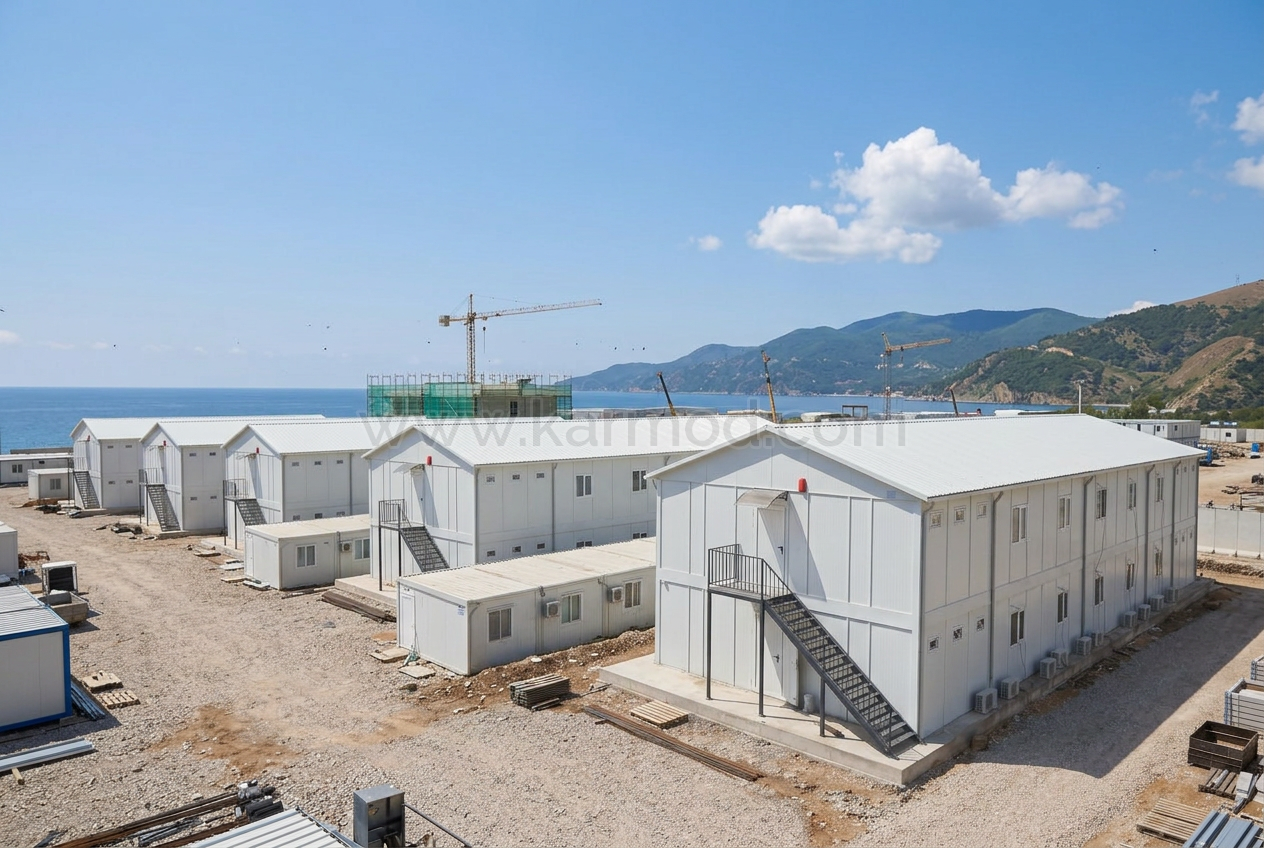
Providing temporary housing in Australia requires rapid deployment, budget discipline, and a clear commitment to resident safety and wellbeing. Modular construction is often well suited to these requirements because it reduces on-site build time and supports standardized quality. In emergency or transitional contexts, this can mean faster access to stable accommodation while longer-term housing pathways are arranged.
Key advantages of adopting modular construction for temporary housing include:
As Australia continues to address housing shortages, modular and prefabricated approaches can provide both immediate capacity and long-term strategic value. Through coordinated planning with housing authorities and community partners, providers like Karmod can support affordable social housing delivery models that improve housing affordability, strengthen community integration, and deliver durable outcomes for low-income households.
In order to serve you better, if you could kindly send an e-mail to info@karmod.com for questions and details about your theoretical and special architectural plans, projects, and product specifications, your request will be responded to as soon as possible.

From one end of the world to the other, we enable our customers to reach the ready-made construction sector produced with the new technology of the world. We guarantee reliability through technology and innovation, flexible commercial models and smart supply chain solutions that add value for you, following the project production network.
Discover
Karmod is one of the largest prefabricated construction companies in Turkey, with a production of 45,000 m2. produces high quality prefabs and prefab containers