EN
EN 


Natural gas pipeline projects are built across long routes rather than a single fixed worksite. A pipeline may pass through rural land, mountains, deserts, agricultural areas, forests, riversides, or regions with limited infrastructure. Because the construction front moves as the project advances, workers and site teams need camp systems that can move with the pipeline route.
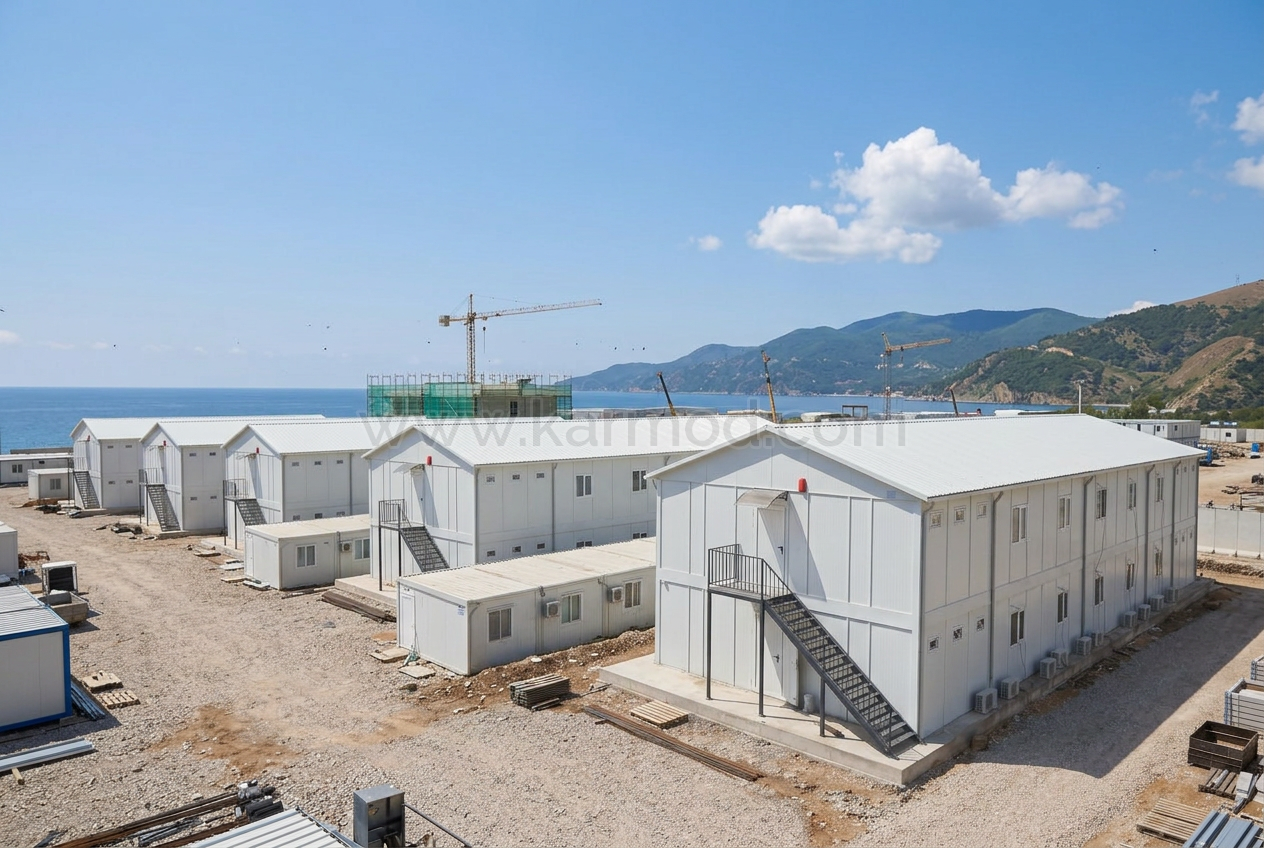
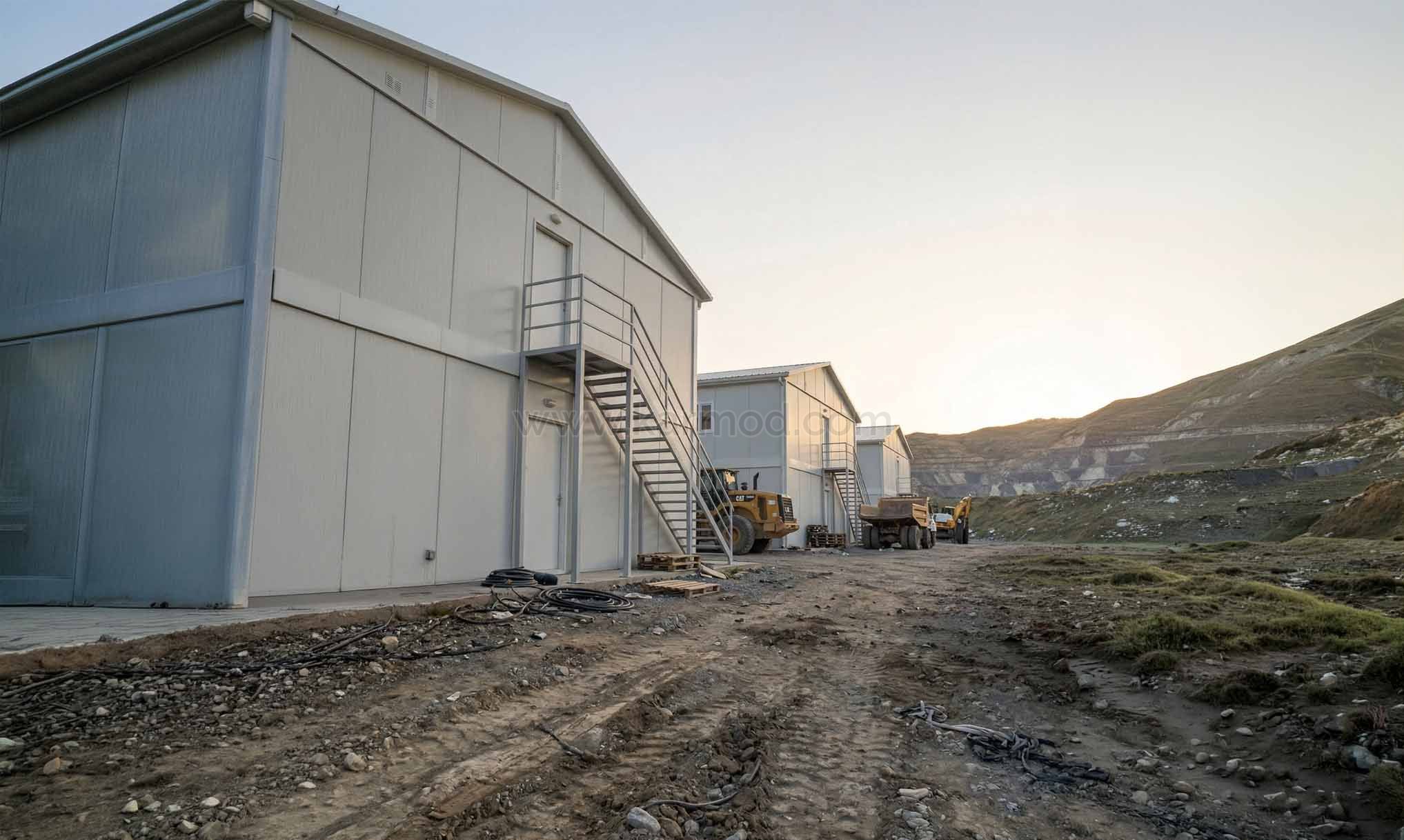
Natural gas pipeline mobilization camps provide temporary accommodation, offices, dining areas, sanitary units, storage spaces, security points, and welfare facilities for pipeline crews. These camps help create a practical base near the active construction zone, reducing daily travel time and supporting better coordination during long-distance infrastructure works.
A gas pipeline camp is different from a standard construction camp because the work area continuously changes. Crews may work on clearing, trenching, pipe stringing, welding, coating, lowering-in, backfilling, testing, and restoration across different sections of the route. Each phase may require teams to stay near the current work location.
Mobile camp systems allow project managers to place accommodation and support units close to the active section. When the work progresses, the camp can be dismantled, transported, and reinstalled in a new location. This makes modular camps highly suitable for linear projects that span many kilometers.
For remote routes, these camps also reduce dependence on local housing, hotels, or distant towns. Workers can stay near the construction corridor and access daily services without long transportation delays.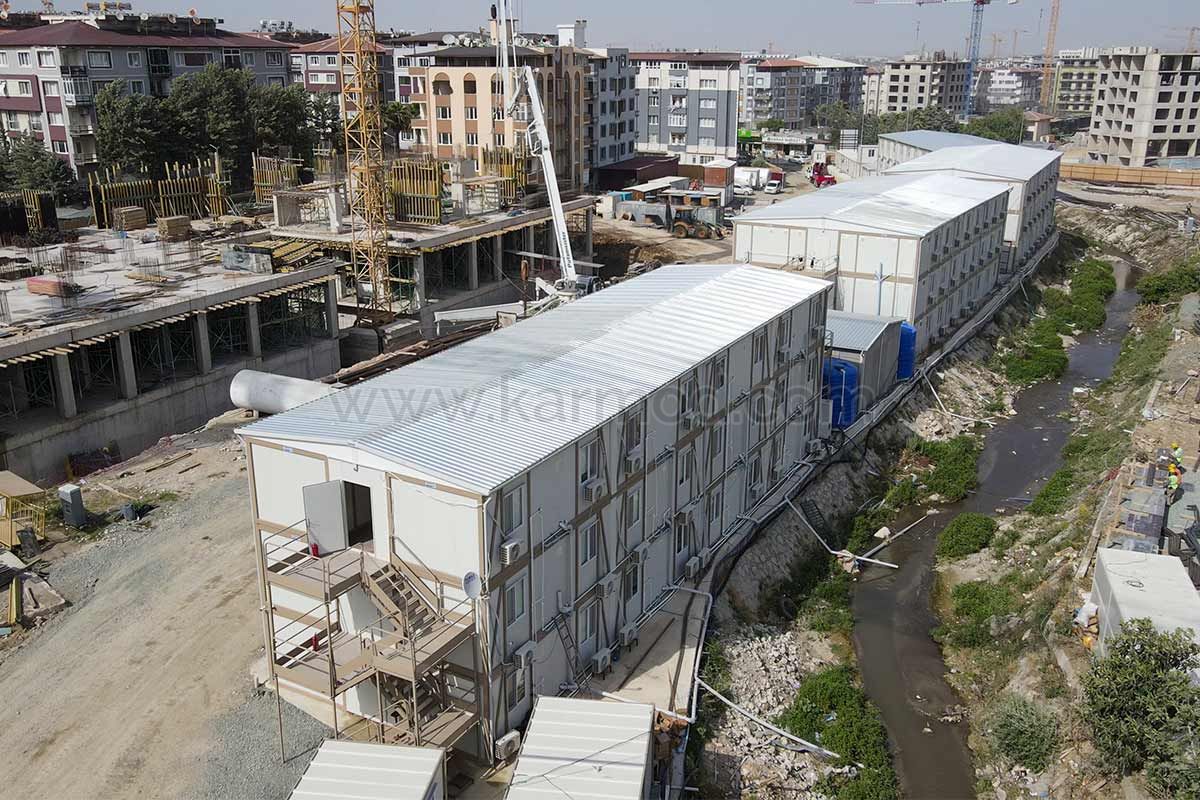
Pipeline worker accommodation must support demanding field conditions. Pipeline crews often work long shifts outdoors, sometimes in isolated areas where weather, terrain, and access roads can create additional challenges. For this reason, accommodation units should provide safe, clean, and comfortable spaces for rest.
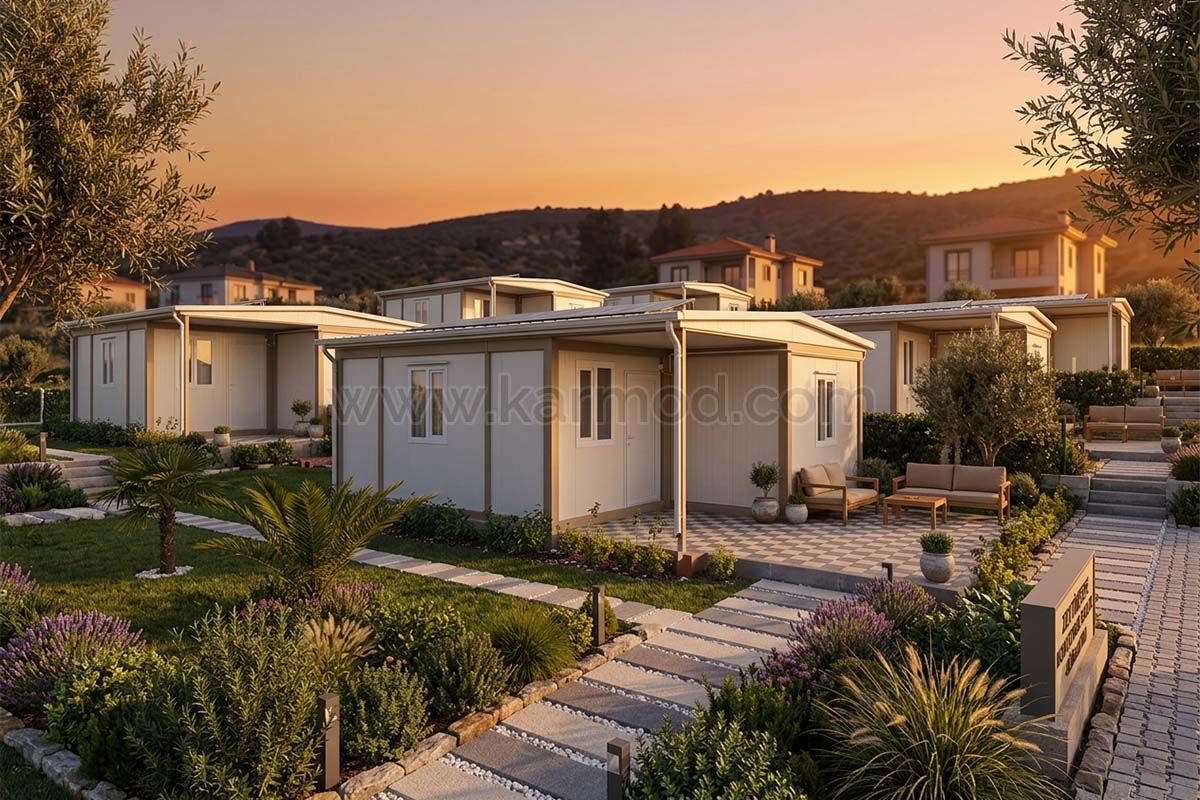
Container-based accommodation can include sleeping rooms, beds, lockers, lighting, ventilation, heating, cooling, electrical systems, and bathroom options. Depending on the workforce size, units can be planned as shared rooms, dormitory-style layouts, or smaller rooms for supervisors and technical personnel.
A well-designed accommodation zone should be separated from heavy vehicle movement, fuel storage, welding areas, and material yards. This helps create a safer camp environment while giving workers a calmer area for rest after shifts.
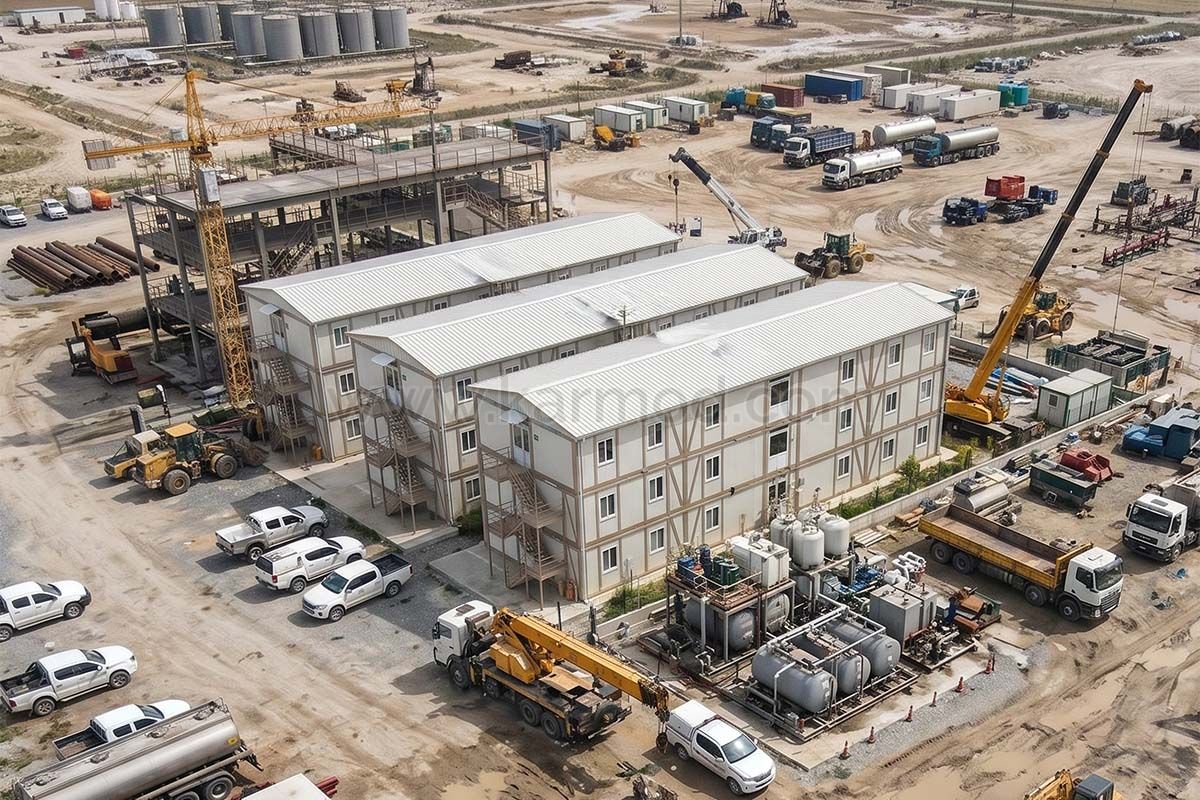
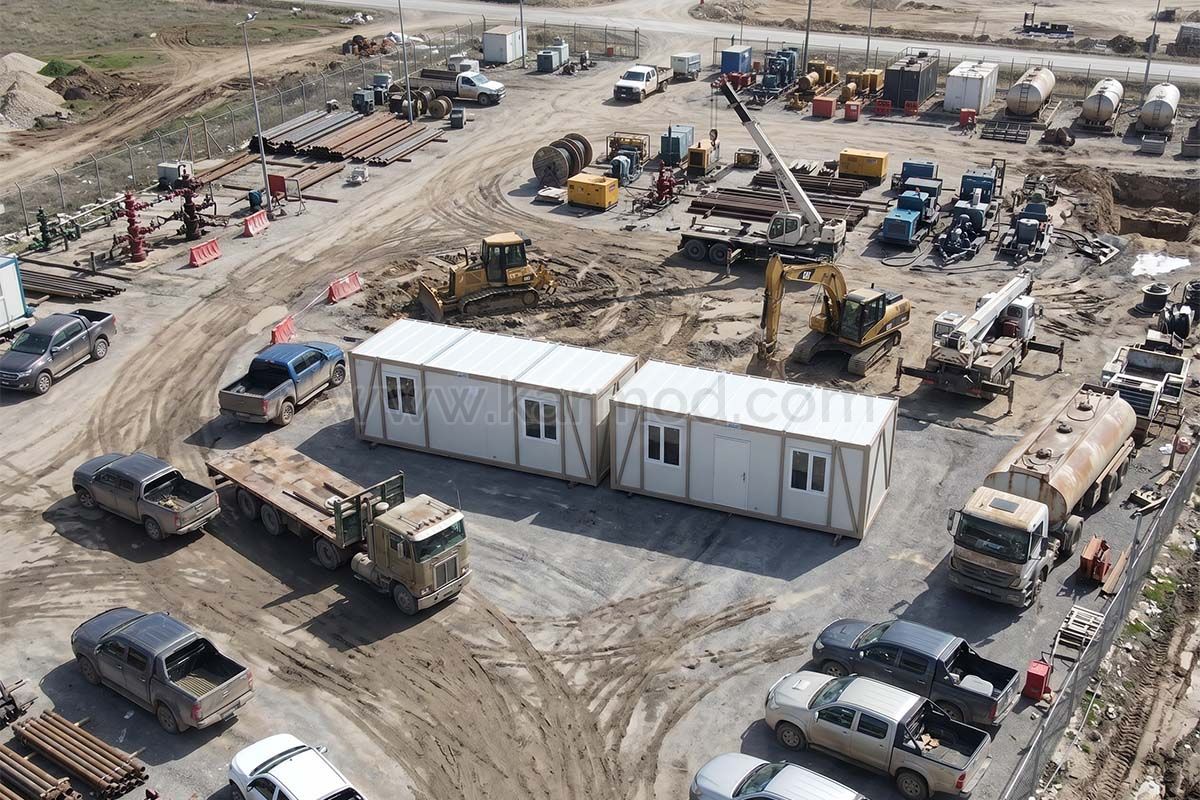
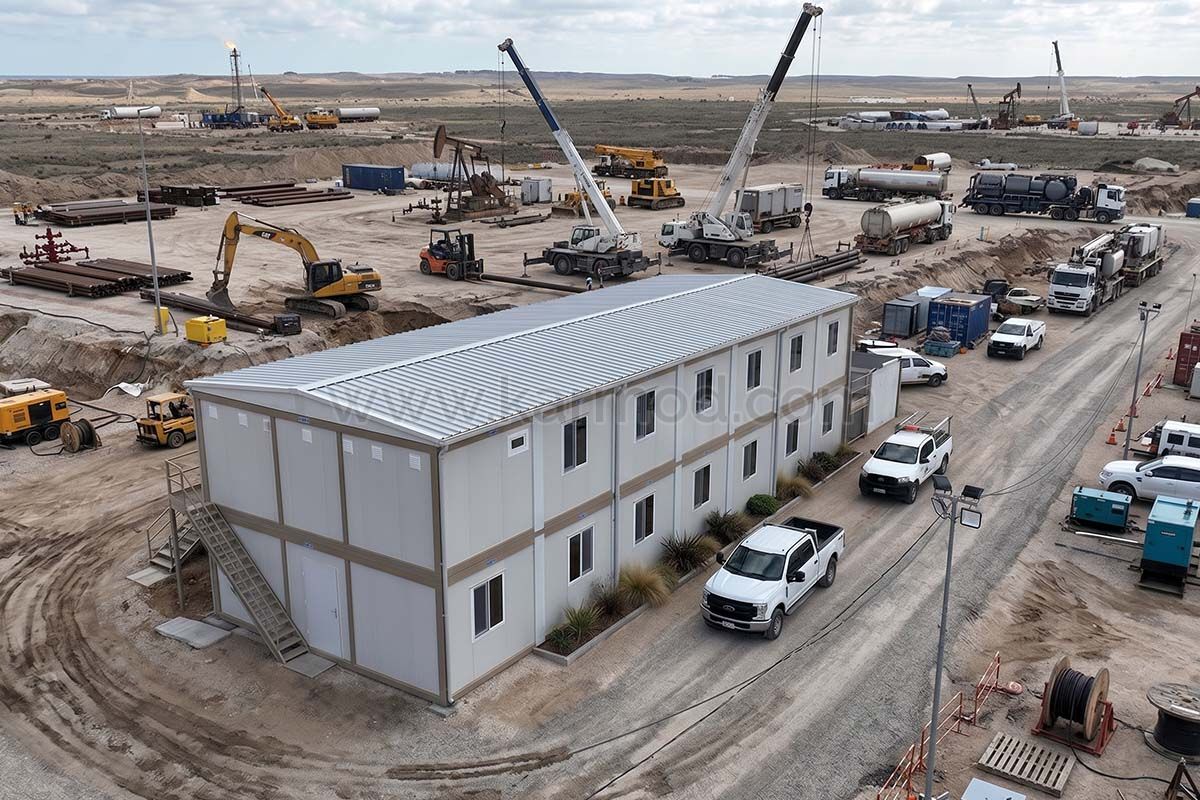
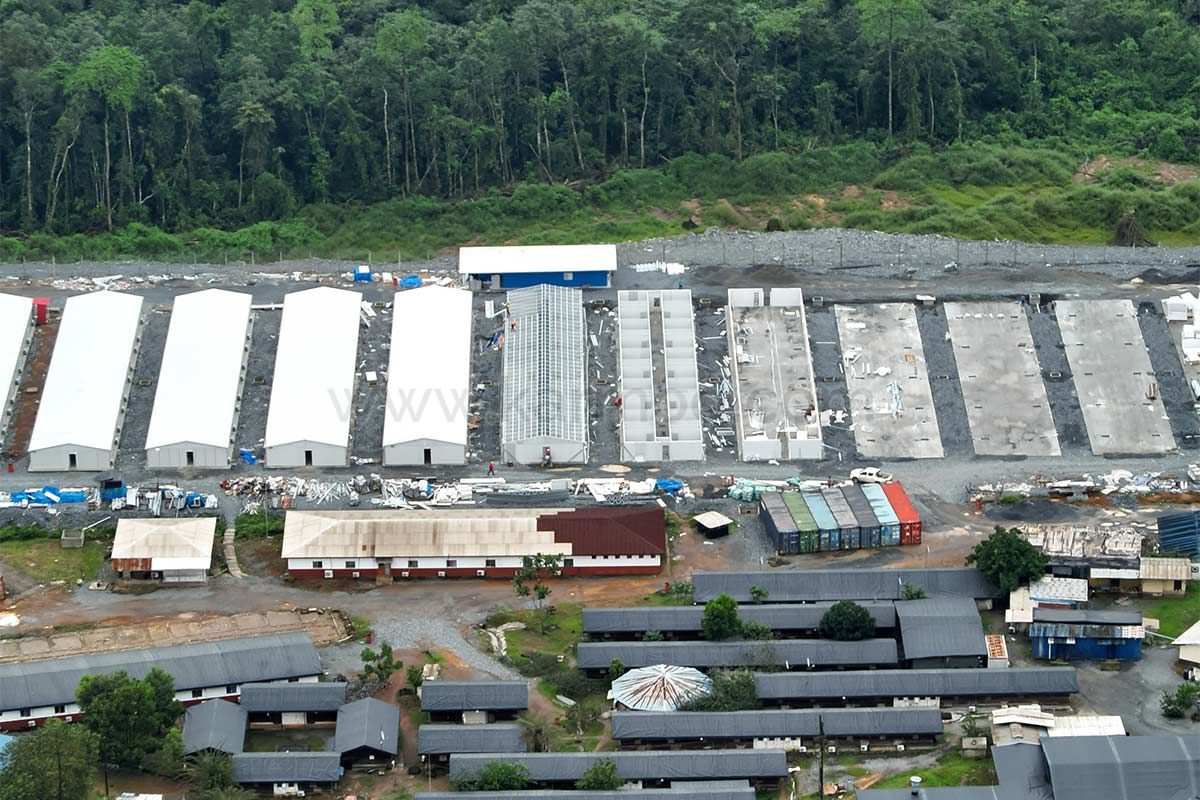
Cross-country pipeline housing usually needs to be combined with many support facilities. A complete pipeline construction camp may include offices, kitchens, dining halls, sanitary containers, laundry rooms, first-aid units, recreation rooms, security cabins, and storage containers.
Office units can be used for route planning, permit tracking, documentation, quality control, health and safety coordination, and daily crew management. Storage units can hold tools, PPE, spare parts, welding equipment, inspection devices, and small machinery.
Dining and welfare facilities are also important because pipeline projects may be far from restaurants or local services. By providing meals, rest areas, and hygiene facilities inside the camp, companies can maintain a more organized and reliable daily routine for workers.
Gas infrastructure mobilization requires detailed planning before the camp is installed. The project team must choose camp locations according to access roads, route distance, land permissions, terrain conditions, water supply, waste handling, communication needs, and safety requirements.
Since pipeline construction progresses along a route, one large permanent camp is not always practical. Instead, companies may use several smaller camps, satellite camps, or phased mobilization points. This helps keep workers closer to the active construction front.
Modular units can be transported by truck and arranged according to the required layout. After each phase, the units can be moved to the next camp location. This mobility gives pipeline contractors more control over time, labor, and logistics.
An EPC pipeline camp must support engineering, procurement, and construction activities at the same time. These projects usually involve many teams, including engineers, welders, equipment operators, surveyors, safety officers, inspectors, logistics personnel, and subcontractors.
For this reason, camp planning should include both living facilities and operational spaces. Management offices, meeting rooms, technical documentation areas, quality inspection offices, and communication rooms may be needed alongside accommodation and welfare buildings.
The layout should allow clear movement between accommodation, offices, dining areas, storage zones, and vehicle access points. Emergency routes, lighting, fire safety equipment, medical access, and security control should also be included in the camp design.
Pipeline camps may be installed in environmentally sensitive areas such as forests, wetlands, agricultural land, river corridors, or protected zones. In these locations, camp planning must reduce impact on the surrounding environment.
Wastewater systems, solid waste collection, fuel storage control, drainage planning, and spill prevention measures are important. Camps may use water tanks, septic systems, treatment units, designated waste areas, and controlled service zones depending on local regulations and project requirements.
Safety is equally important. Worker housing should be located away from high-risk construction activities, and the camp should include proper sanitation, clean water, electrical safety, fire protection, first-aid access, and secure circulation routes. A well-managed camp supports both worker welfare and regulatory compliance throughout the pipeline project.
In order to serve you better, if you could kindly send an e-mail to info@karmod.com for questions and details about your theoretical and special architectural plans, projects, and product specifications, your request will be responded to as soon as possible.

From one end of the world to the other, we enable our customers to reach the ready-made construction sector produced with the new technology of the world. We guarantee reliability through technology and innovation, flexible commercial models and smart supply chain solutions that add value for you, following the project production network.
Discover
Karmod is one of the largest prefabricated construction companies in Turkey, with a production of 45,000 m2. produces high quality prefabs and prefab containers