EN
EN 


Lebanon’s complex social and geographic landscape continues to place heavy pressure on its housing system, particularly for households with limited financial resources. Affordable social housing has therefore become a critical priority, not only as a response to shelter shortages but as a foundation for social stability. Within this context, modular homes and prefab homes are being explored as practical construction models capable of delivering housing more efficiently, predictably, and at lower cost.
Karmod’s involvement in Lebanon reflects a focus on construction methods that address both urgency and affordability. Modular and prefab housing systems allow a significant portion of the building process to take place off-site, reducing exposure to delays, cost overruns, and material inefficiencies. This approach is particularly relevant in Lebanon, where traditional construction can be constrained by economic pressures and limited timelines.
Factory-based production enables housing units to be manufactured with consistent quality controls before being transported for on-site assembly. This shortens overall delivery schedules while improving precision and reducing waste. As a result, modular and prefab homes offer a more resource-efficient pathway for housing development, aligning with broader goals related to sustainability and responsible land use.
Karmod’s contribution to affordable social housing in Lebanon extends beyond unit production. The focus is on creating functional residential environments that support family life and long-term occupancy. Modular and prefab homes are designed to respond to the everyday needs of low income households, providing durable living spaces that balance affordability with comfort and reliability.
This approach demonstrates how alternative construction models can support public and social housing objectives. By prioritizing efficiency, repeatability, and cost control, modular and prefab housing systems present a realistic framework for improving access to housing for low income families in Lebanon while supporting long-term social development.
Modular social housing offers Lebanon a structured response to growing demand for affordable and inclusive housing. Rather than focusing solely on speed, this model enables planners and housing providers to coordinate construction with infrastructure, services, and community planning. Modular construction supports the delivery of housing projects that are scalable, organized, and suitable for long-term occupancy.
div>


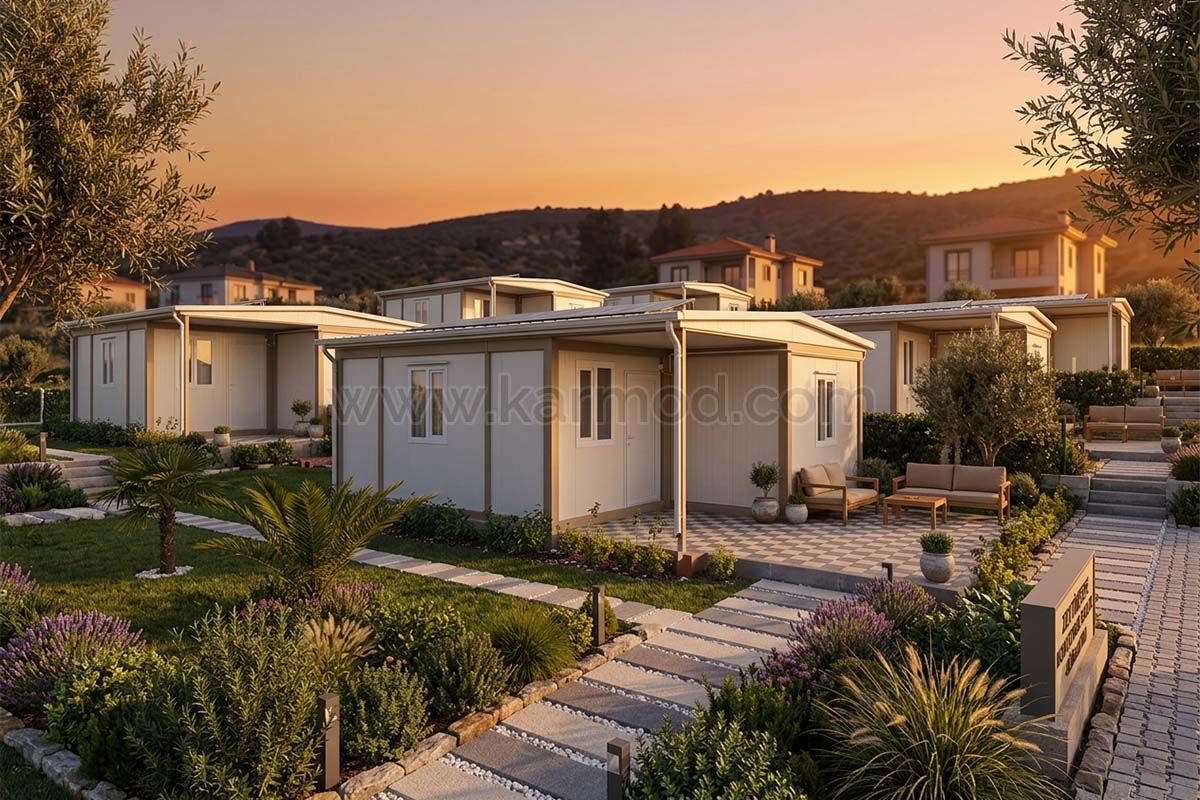
Prefab low income housing projects in Lebanon highlight how standardized construction can support equitable housing delivery. These initiatives are designed to reach populations that often face barriers in conventional housing markets, offering structured solutions that balance affordability with livability.
Project Insights:
Together, modular and prefab housing initiatives demonstrate how Lebanon can address housing shortages through practical construction strategies. These projects contribute to broader social objectives by improving access to safe, affordable housing while supporting community integration.
Modular housing construction has emerged as a strategic tool in Lebanon’s efforts to manage housing affordability. This approach supports predictable delivery models, reduced construction risk, and efficient use of resources. Rather than serving as a temporary solution, modular construction is increasingly viewed as a viable framework for long-term housing programs.
Key Aspects of Modular Housing in Lebanon:
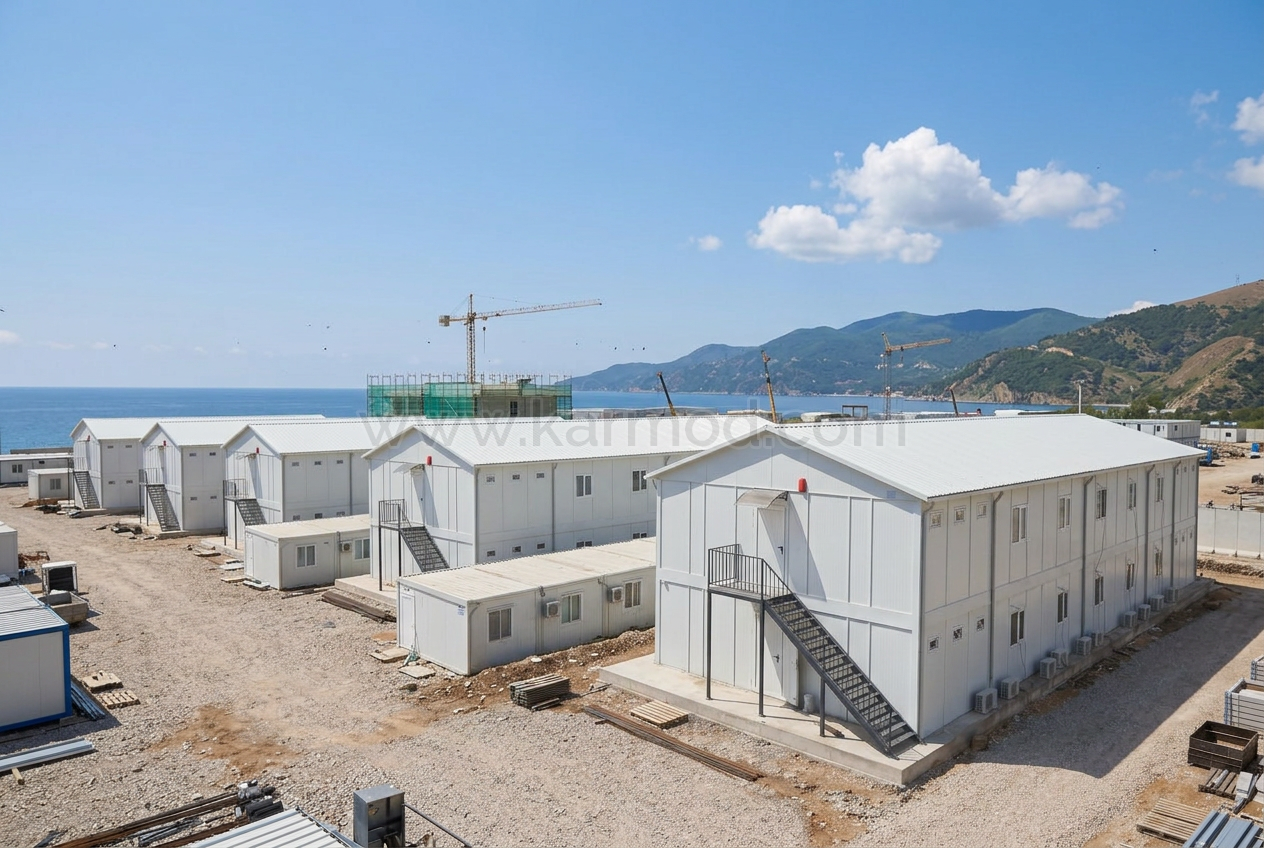
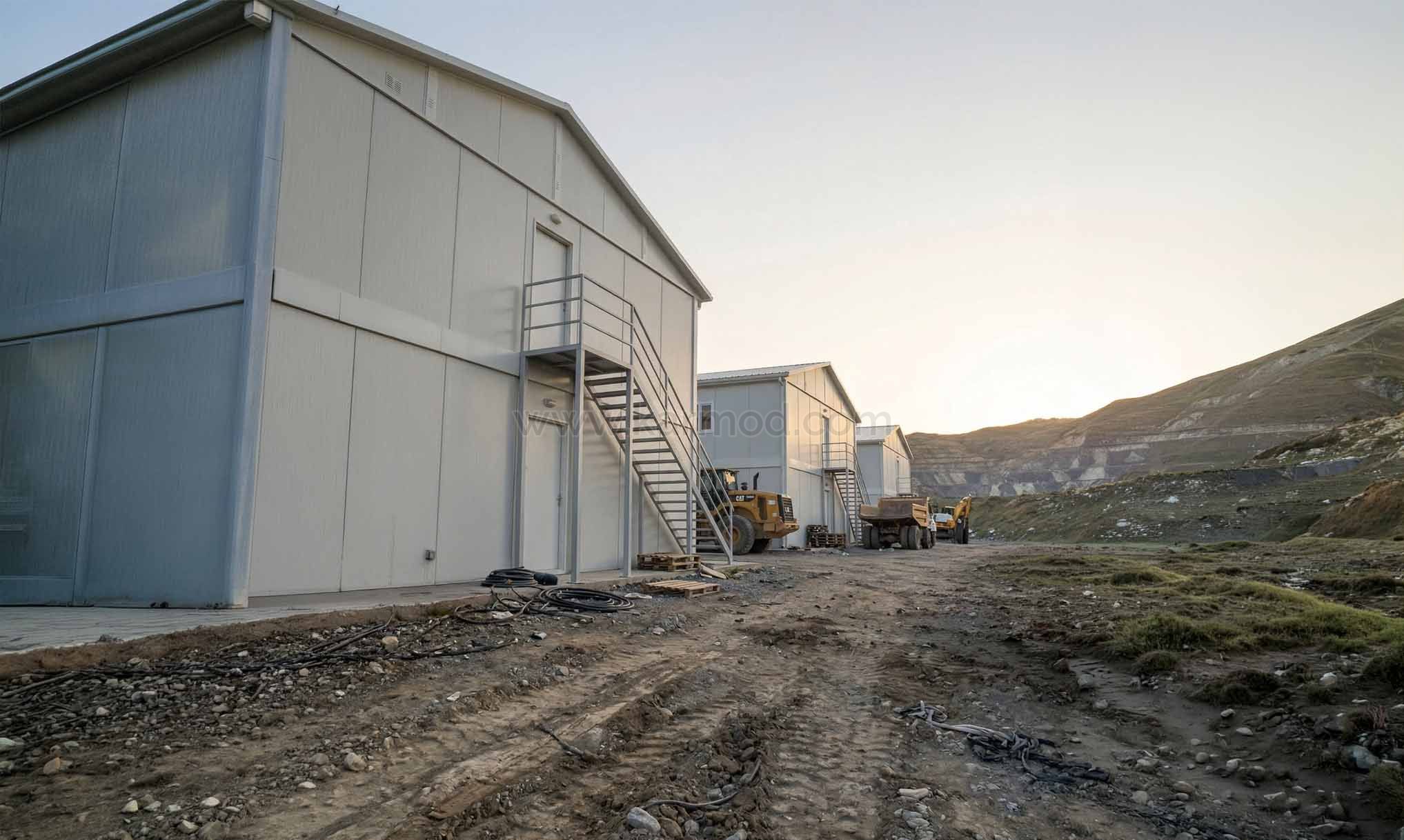
Lebanon’s housing response increasingly combines temporary accommodation with permanent low cost social housing. This dual approach allows for immediate support in times of displacement while building stable residential options for long-term needs.
Strategies for Low Cost Social Housing:


By aligning modular construction with low cost social housing strategies, Lebanon strengthens its capacity to address housing challenges in a structured and sustainable manner.
Karmod operates in Lebanon as a manufacturer focused on mobile and modular affordable housing systems. Its production model emphasizes efficiency, transportability, and adaptability, allowing housing units to respond to varying project durations and locations.
Why Karmod Stands Out:


Temporary housing remains an essential component of Lebanon’s broader housing strategy. Modular construction provides a reliable framework for delivering short-term accommodation quickly, while maintaining acceptable safety and comfort standards.
Advantages of Modular Construction for Temporary Housing:
By integrating modular construction into temporary housing planning, Lebanon improves its ability to respond to immediate housing pressures while maintaining alignment with long-term social housing objectives.
In order to serve you better, if you could kindly send an e-mail to info@karmod.com for questions and details about your theoretical and special architectural plans, projects, and product specifications, your request will be responded to as soon as possible.

From one end of the world to the other, we enable our customers to reach the ready-made construction sector produced with the new technology of the world. We guarantee reliability through technology and innovation, flexible commercial models and smart supply chain solutions that add value for you, following the project production network.
Discover
Karmod is one of the largest prefabricated construction companies in Turkey, with a production of 45,000 m2. produces high quality prefabs and prefab containers