EN
EN 


In the Philippines, the quest for affordable social housing is more than a policy ambition; it is a daily necessity for families seeking safe, dignified, and stable homes. Across the archipelago—where rapid urban growth, informal settlements, and climate-related displacement intersect—delivery models that can scale quickly and remain cost-conscious are especially valuable. This is where modular and prefab homes, supported by manufacturers such as Karmod, can contribute to low-income housing supply with predictable timelines and consistent quality.
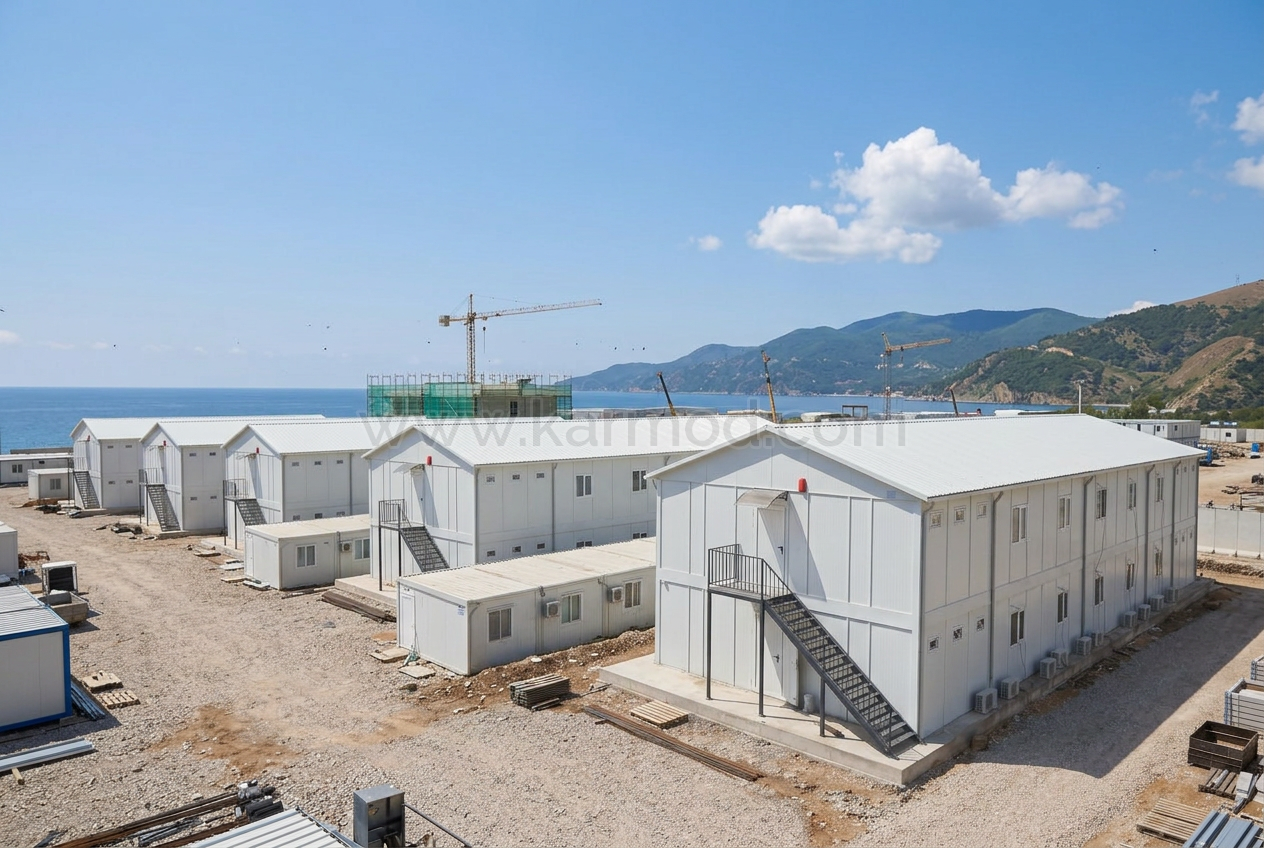
Modular and prefab homes are reshaping how affordable social housing can be planned and delivered in the Philippines. These homes can reduce construction time while supporting budget discipline—an important factor for public housing projects and NGO-led developments. The process relies on manufacturing building components in a controlled factory setting to improve consistency, then transporting them for on-site assembly. This approach can reduce on-site waste and limit disruption in dense neighbourhoods, while supporting long-term sustainability through more efficient resource use.
Karmod contributes to this sector by offering modular and prefab housing options that can be adapted to different site realities across the Philippines, from urban infill plots to regional communities. A range of designs and configurations supports diverse household needs and occupancy patterns. For housing providers, flexibility in unit planning can help align housing affordability goals with practical requirements such as durability, maintenance cycles, and future expansion—without placing unrealistic pressure on limited project budgets.


The benefits of opting for modular homes extend beyond up-front affordability. Resilience is a core consideration in a country frequently affected by typhoons, flooding, and seismic events, and housing providers must plan for recovery as well as everyday living. Faster on-site assembly can support quicker rehousing in post-disaster contexts, helping displaced families regain stability sooner. In parallel, a focus on building envelope performance and practical material choices can reduce operating costs over time, supporting households where monthly expenses are as critical as initial affordability.
The efforts of companies like Karmod in promoting modular and prefab homes support a broader shift toward structured, implementation-ready low-income social housing. When paired with responsible site planning and community integration, this approach can help reduce housing insecurity while supporting inclusive urban development. With sustained coordination between public authorities, local governments, and civil-society actors, modular delivery can strengthen the pathway toward safe and affordable housing across the Philippines.


The Philippines is working to expand affordable social housing delivery while responding to a complex mix of geography, climate exposure, and uneven access to infrastructure. Modular building supports this ambition by improving speed, predictability, and quality control, particularly for programmes that must deliver at scale. By assembling pre-constructed sections, housing providers can reduce on-site labour dependency and improve scheduling reliability—an advantage in regions where weather conditions can delay conventional construction.


The Philippines is exploring prefab technology as a cornerstone for expanding low-income housing delivery, particularly where speed and cost certainty are essential. Off-site manufacturing of housing components can help reduce on-site complexity and support consistent workmanship, while shortening project timelines for public housing projects and humanitarian-led initiatives.
Both modular and prefab approaches offer credible pathways for addressing housing gaps in the Philippines when projects are planned with local context in mind. By combining low-cost delivery with resilient design thinking and operational efficiency, housing providers can improve access to safe, stable homes while supporting inclusive community outcomes.
The Philippines is advancing modular housing construction as a practical response to housing affordability challenges affecting low-income households. Modular delivery supports predictable scheduling and disciplined budgets—two requirements that matter for large-scale public housing projects as well as smaller municipal programmes. When combined with durable materials and straightforward maintenance planning, modular units can contribute to long-term sustainability and improved asset performance.
In modular construction, key components are produced in a factory environment and assembled on-site. This reduces exposure to weather-related delays and helps standardise quality across units, which is especially important when multiple homes must be delivered quickly. It also supports a more efficient use of materials and labour, helping keep project costs aligned with low-income housing objectives while maintaining basic comfort and safety expectations.
Modular systems can also support mobile or relocatable affordable housing solutions in contexts where land availability is temporary or communities require interim accommodation. This flexibility is relevant for areas affected by disasters, relocation planning, or phased redevelopment, where housing delivery must adapt to changing conditions. In these settings, modular construction can strengthen continuity for households by enabling faster transitions into secure, stable living environments.
Addressing the urgent need for housing in the Philippines requires solutions that can serve both immediate shelter requirements and long-term residential stability. Low cost social housing delivery benefits from approaches that are scalable, practical to maintain, and responsive to local conditions across islands, cities, and rural communities.
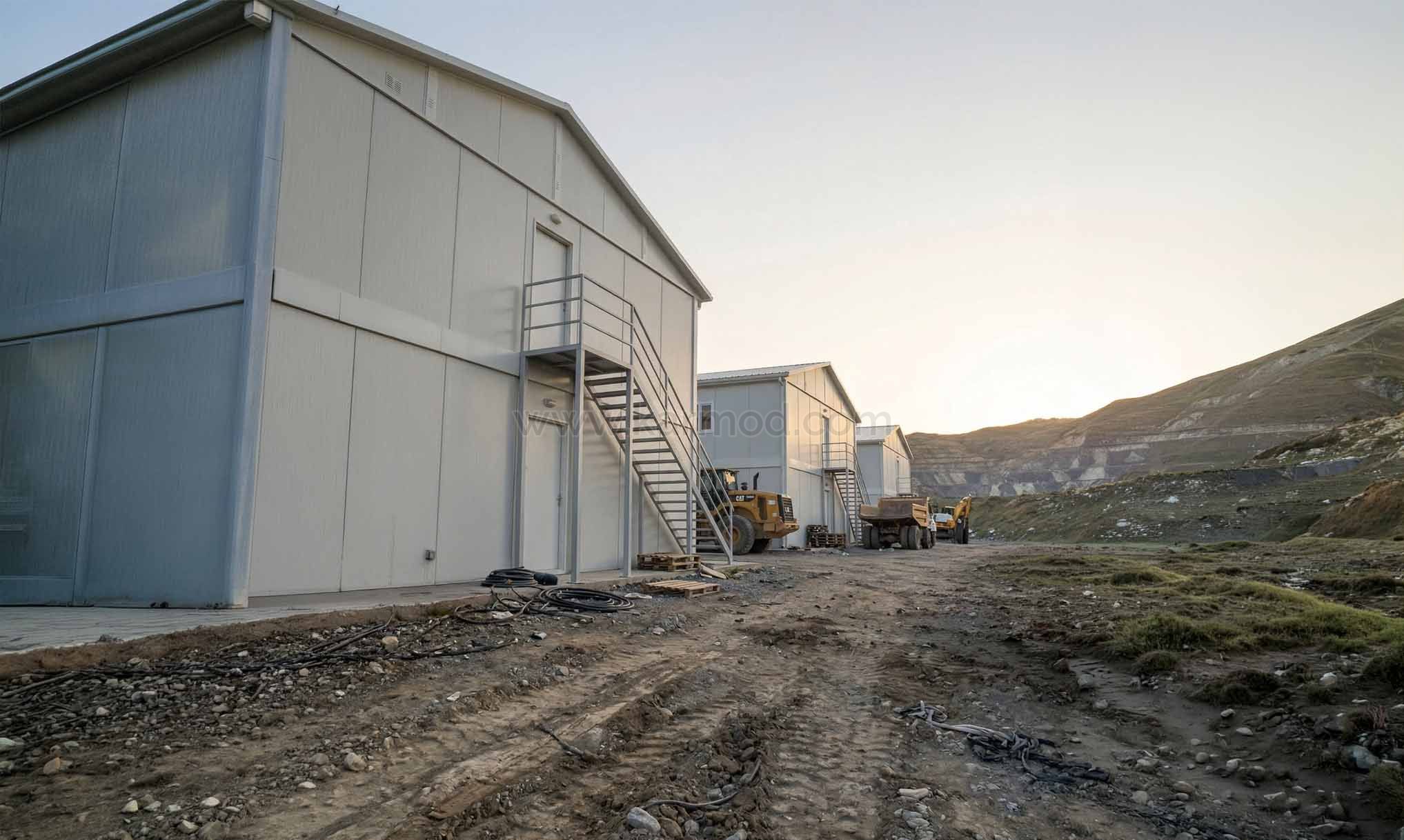
For temporary housing needs—such as displacement following typhoons, flooding, or earthquakes—the priority is speed, safety, and dignity. Modular construction supports rapid deployment and straightforward assembly, allowing housing providers to establish livable accommodation quickly. Where appropriate, temporary units can be planned for future conversion or integration into permanent communities, helping public authorities reduce the risk of short-term solutions becoming long-term liabilities.
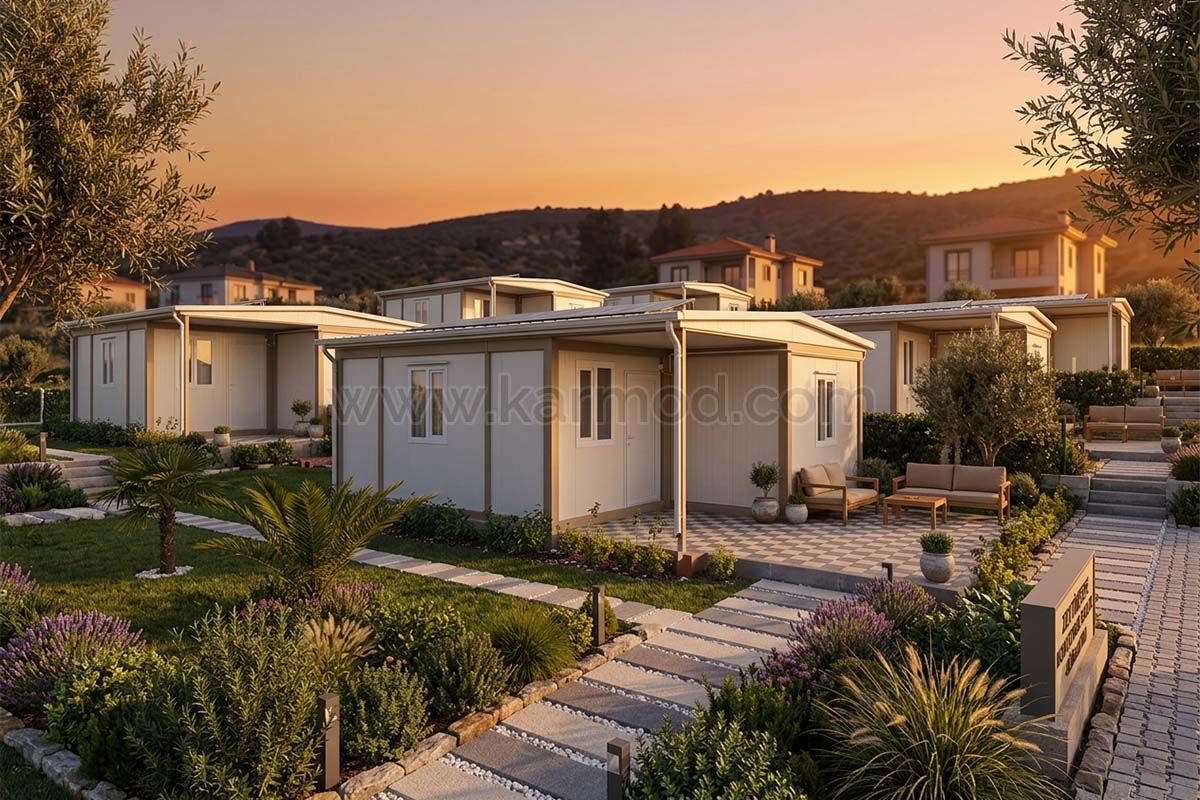
Permanent affordable social housing requires more than a roof: it needs thoughtful neighbourhood planning that supports everyday life. Through careful site design, it is possible to develop communities with shared spaces, safe pedestrian routes, ventilation and shade considerations, and access to essential services. This community-centred approach strengthens integration and supports household stability, which is central to low-income housing outcomes.
The Philippines’ commitment to modular construction for both temporary and permanent solutions highlights a balanced strategy focused on housing affordability, resilience, and community-building. By prioritising practical delivery models and long-term operating performance, housing programmes can better support families’ needs while contributing to more inclusive and resilient communities across the country.
Within the Philippines’ efforts to expand affordable social housing, Karmod operates as a manufacturer offering mobile and adaptable housing systems that can support diverse delivery contexts. For municipalities, public authorities, and NGOs, the value of a manufacturing-based approach lies in consistent quality control, repeatable production, and clearer programme scheduling—factors that can strengthen procurement and project management for low-income housing delivery.
Karmod’s modular housing construction model supports faster deployment and more predictable site activity, which can be beneficial across the archipelago where logistics and weather can complicate conventional building. This capacity is particularly relevant in locations that require urgent housing provision or interim accommodation during recovery and redevelopment. A focus on durability and practical maintenance also helps strengthen long-term sustainability, supporting housing providers responsible for asset performance over time.
A core requirement in social housing is fit-for-purpose design that reflects local living patterns and day-to-day realities. By offering adaptable layouts and configuration options, Karmod can support housing providers seeking to align unit design with household needs, climate considerations, and budget limits. This contributes to a more credible, implementable route toward secure and affordable housing for low-income families.
For temporary housing in the Philippines—particularly after disasters or during rapid relocation—modular construction is often one of the most effective methods because it combines speed with repeatable quality. Pre-manufactured units can be assembled quickly on-site, allowing housing providers to establish safe, functional accommodation while longer-term planning proceeds.
The advantages of modular temporary housing include reduced construction timelines and clearer logistics. Units can be planned to meet different household sizes and site constraints, supporting practical living standards rather than improvised shelter. This flexibility is especially important when temporary housing must operate as transitional accommodation for longer than originally expected, a common risk in complex recovery settings.
Modular construction also supports responsible resource use. Factory production can reduce material waste and improve consistency, which helps control costs and strengthens project accountability for public and humanitarian actors. When designs prioritise ventilation, shading, and efficient building envelopes, temporary housing can also reduce operating costs, supporting households for whom utility expenses are a significant burden.
In a country with persistent housing demand and frequent climate-related shocks, modular construction offers a scalable and adaptable method for temporary housing delivery. Whether for emergency shelter, transitional neighbourhoods, or short-term accommodation during redevelopment, modular systems can provide a reliable pathway to safe, dignified housing during periods of disruption.
Through structured modular delivery, the Philippines can strengthen its capacity to respond to housing challenges with solutions that are both practical and sustainable. Manufacturers such as Karmod contribute to this landscape by providing mobile affordable housing systems that support faster delivery, cost discipline, and improved resilience for communities in transition.
In order to serve you better, if you could kindly send an e-mail to info@karmod.com for questions and details about your theoretical and special architectural plans, projects, and product specifications, your request will be responded to as soon as possible.

From one end of the world to the other, we enable our customers to reach the ready-made construction sector produced with the new technology of the world. We guarantee reliability through technology and innovation, flexible commercial models and smart supply chain solutions that add value for you, following the project production network.
Discover
Karmod is one of the largest prefabricated construction companies in Turkey, with a production of 45,000 m2. produces high quality prefabs and prefab containers